
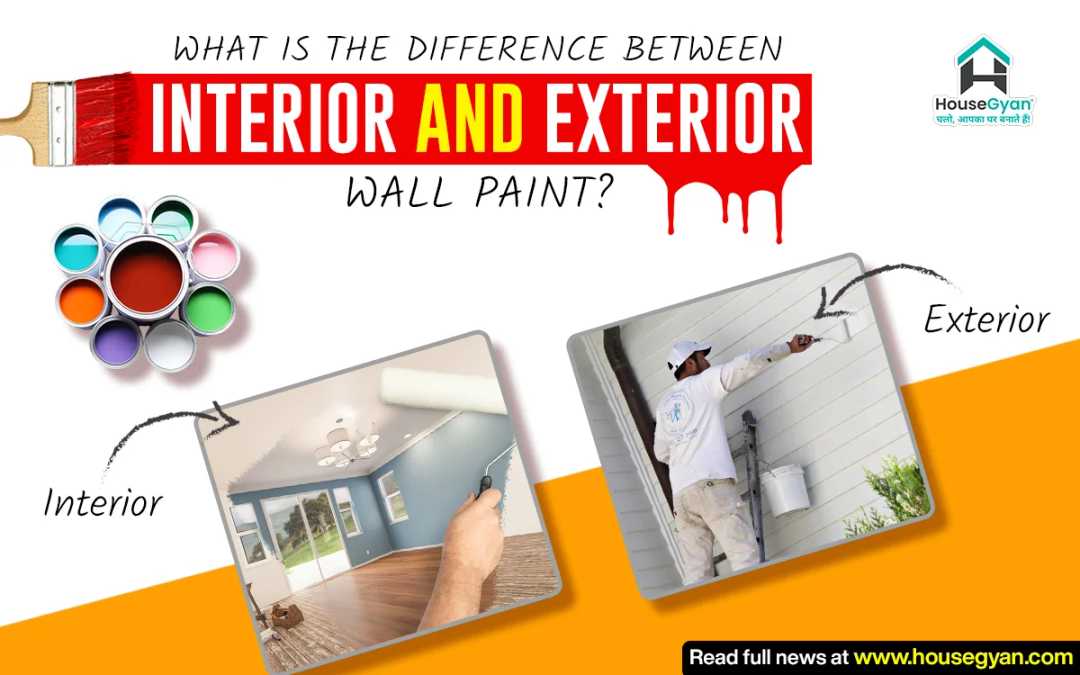
When you’re preparing to paint your home, the first big question often is: Should I use interior paint or exterior paint? While they might look similar in the can, the truth is that interior and exterior wall paints are designed for completely different environments, with unique chemical compositions, durability levels, and purposes.
Understanding the Basics of Wall Paint
Definition of Interior Wall Paint
Interior wall paint is specifically formulated for indoor use, focusing on smooth finishes, vibrant colors, and easy cleaning. It’s designed to withstand scuffs, stains, and regular cleaning without fading.
Definition of Exterior Wall Paint
Exterior wall paint is made to endure harsh weather conditions, including rain, wind, sun, and fluctuating temperatures. It contains additives that make it resistant to mildew, UV rays, and peeling.
Key Differences Between Interior and Exterior Wall Paint
1. Durability and Weather Resistance
Exterior paint is built to be tough, resisting rain, wind, snow, and sunlight. Interior paint, however, doesn’t need the same weather protection—it focuses on resisting marks, stains, and indoor wear.
2. Chemical Composition and Additives
Exterior paints contain stronger binding resins and mildewcides. Interior paints have smoother resins for a more refined finish and lower odor.
3. Finish and Aesthetic Appeal
Interior paint offers a wider range of finishes (matte, satin, eggshell, gloss) for decorative purposes. Exterior paint prioritizes durability over a perfectly smooth look.
4. Moisture and UV Resistance
Exterior paint is formulated to resist fading from the sun and damage from rain or humidity. Interior paint does not need high UV resistance.
5. VOC Levels and Safety Considerations
Interior paints usually have lower Volatile Organic Compounds (VOC) levels to protect indoor air quality. Exterior paints may have higher VOCs due to the need for extreme durability.
6. Coverage and Application Methods
Both require proper priming, but exterior paint may need more coats in some climates to ensure long-lasting protection.
7. Maintenance and Lifespan
Exterior paint typically lasts 5–10 years, depending on climate. Interior paint can last much longer indoors with occasional touch-ups.
Read More: How to Choose the Right Paint Color for Each Room in Your House?
When to Use Interior vs Exterior Paint
Recommended Uses for Interior Paint
Best for walls, ceilings, trim, and decorative finishes inside the home.
Recommended Uses for Exterior Paint
Ideal for siding, exterior walls, fences, and outdoor furniture exposed to the elements.
Pros and Cons of Each Type
Expert Tips for Choosing the Right Paint
Match to Climate: In sunny areas, UV-resistant paint is essential.
Balance Budget & Longevity: Exterior paint costs more but lasts longer in harsh weather.
Consider Finish: Interior spaces benefit from smoother finishes for aesthetics.
Read More: Top 10 Paint Companies in India
Common Myths About Wall Paint
Can Exterior Paint Be Used Indoors?
Technically yes, but it’s not recommended due to higher VOCs and stronger odors.
Can Interior Paint Be Used Outdoors?
No—without weather resistance, it will peel, crack, and fade quickly.
FAQs
1. What makes exterior paint more durable?
Special resins and additives help it resist weather damage.
2. Can I use interior paint in a garage?
Only if it’s climate-controlled; otherwise, choose exterior paint.
3. Does exterior paint cost more?
Yes, due to specialized ingredients.
4. Which lasts longer—interior or exterior paint?
Exterior paint lasts longer outdoors, but indoors, interior paint can last for decades.
5. What’s the best finish for interior walls?
Eggshell or satin for durability and style.
6. Is primer always needed?
Yes, for best adhesion and even coverage.
Conclusion: Choosing Paint Like a Pro
When it comes to what is the difference between interior and exterior wall paint, the answer lies in their unique purposes. Interior paint is about beauty and cleanability, while exterior paint is about endurance and weather resistance. Choosing the right one ensures your walls stay vibrant and protected for years.