
Table Of Content ☰
- 1. Understanding the Relation Between Floor Planning and Elevation Design
- 2. How Floor Plans Influence Exterior Elevation
- 3. Why Matching Elevation Design Improves Functionality
- 4. Visual Harmony: A Key Benefit of Integrated Design
- 5. Cost Efficiency and Long-Term Savings
- 6. Better Space Utilization and Structural Integrity
- 7. Boosting Property Value and Market Appeal
- 8. Modern Trends Demand Integrated Design Thinking
- 9. Common Mistakes When Elevation and Floor Plans Don’t Match
- 10. Best Practices for Aligning Floor Planning and Elevation Design
- 11. Conclusion
- 12. Why HouseGyan?
- 13. Frequently Asked Questions (FAQs)
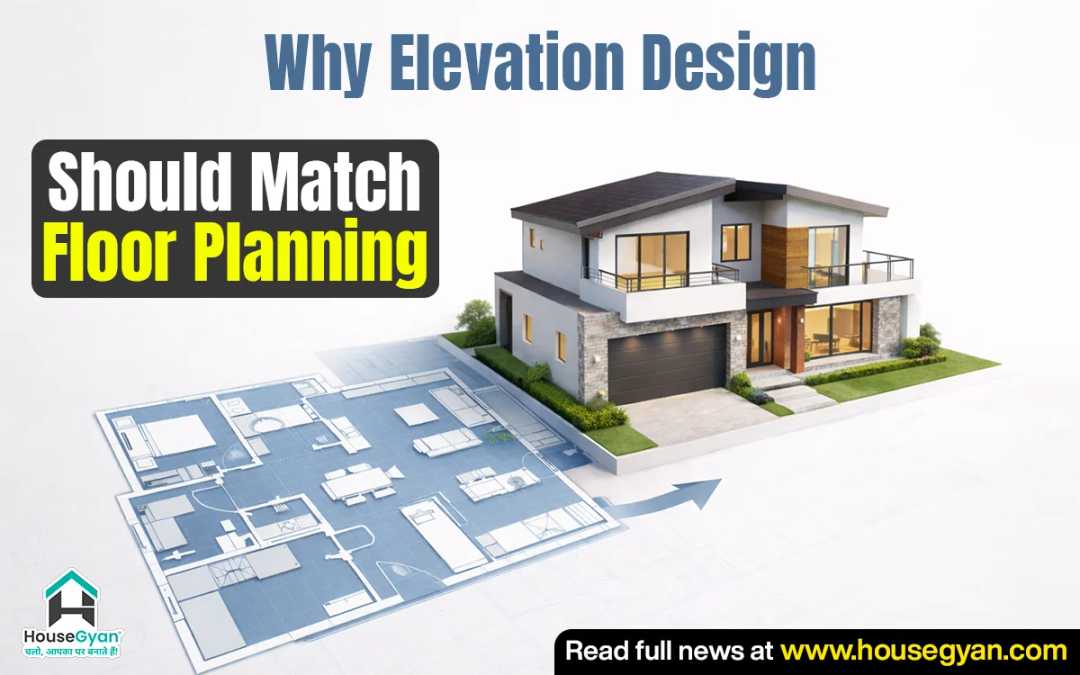
Designing a home is not just about how it looks from the outside or how rooms are arranged inside. The real magic happens when both work together. When floor planning and exterior design are aligned, a home becomes more functional, visually appealing, and future-ready. Unfortunately, many homeowners treat these two elements separately, which often leads to costly design flaws.
Understanding the Relation Between Floor Planning and Elevation Design
At its core, floor plan design focuses on interior layouts—room sizes, circulation, privacy, and usability. On the other hand, home elevation design defines the building’s external appearance, including height, façade style, materials, and proportions.
When these two are designed independently, problems arise:
-
Windows may not align with rooms
-
Exterior proportions may look awkward
-
Natural light and ventilation may suffer
However, when integrated thoughtfully, house floor plans and elevation design create a seamless living experience—inside and out.
How Floor Plans Influence Exterior Elevation
Interior layouts directly affect how the exterior looks. Room height, staircase placement, balconies, and even bathrooms determine window positions and façade balance.
For example:
-
A double-height living room demands a taller front elevation design
-
Bedrooms need strategically placed windows for privacy
-
Staircases often define vertical elevation features
This is why architects always recommend designing elevation plans for house only after the floor layout is finalized.
Why Matching Elevation Design Improves Functionality
A home that looks great but feels uncomfortable is a design failure. Coordinated floor plan and elevation design improves:
-
Natural lighting: Proper window placement
-
Ventilation: Cross airflow through aligned openings
-
Thermal comfort: Balanced exposure to sun and shade
-
Privacy: Thoughtful façade and room orientation
An integrated exterior elevation plan ensures that beauty never comes at the cost of comfort.
Visual Harmony: A Key Benefit of Integrated Design
When elevation design reflects the interior layout, the home looks proportionate and balanced. Random balconies or decorative elements without interior purpose often make houses look artificial.
Matching floor planning and exterior design ensures:
-
Symmetry in windows and doors
-
Balanced massing and proportions
-
A clean, timeless architectural style
This harmony is especially important for modern and contemporary homes.
Cost Efficiency and Long-Term Savings
Poor coordination between interior and exterior designs often leads to:
-
Structural changes during construction
-
Wasted materials
-
Increased labor costs
By planning floor plan design and home elevation design together, homeowners can:
-
Avoid redesign costs
-
Optimize structural elements
-
Reduce construction errors
This approach also lowers long-term maintenance expenses.
Better Space Utilization and Structural Integrity
An aligned floor plan and elevation design ensures that structural elements like columns, beams, and slabs are placed logically. This improves:
-
Load distribution
-
Structural safety
-
Flexibility for future renovations
A well-planned exterior elevation plan reflects the structural reality of the home, not just surface decoration.
Boosting Property Value and Market Appeal
Homes with coordinated design sell faster and at better prices. Buyers instinctively prefer houses where:
-
The exterior reflects the interior quality
-
Layouts feel intuitive
-
Design looks intentional, not patched together
A well-executed front elevation design paired with smart planning instantly increases curb appeal and resale value.
Modern Trends Demand Integrated Design Thinking
Today’s architectural trends emphasize:
-
Minimalism
-
Sustainability
-
Smart space usage
All of these rely on seamless integration of house floor plans and elevation design. Features like large windows, green façades, and open layouts only work when interior and exterior are planned as one system.
Common Mistakes When Elevation and Floor Plans Don’t Match
Avoid these frequent errors:
-
Designing elevation before finalizing layouts
-
Adding decorative elements with no interior function
-
Ignoring window alignment
-
Overcomplicating façade designs
These mistakes often result in poor aesthetics and uncomfortable interiors.
Read More: Learn the key differences between elevation plan vs floor plan here.
Best Practices for Aligning Floor Planning and Elevation Design
Here are expert-recommended tips:
-
Finalize room layouts before elevation concepts
-
Consider sunlight, wind, and views
-
Design windows from the inside out
-
Keep structural logic visible in elevation
-
Work with a single design team
This ensures your elevation plans for house truly reflect how you live.
Conclusion
A home should feel as good as it looks. When floor planning and exterior design work together, the result is a house that is efficient, elegant, and enduring. Matching floor plan and elevation design is not a luxury—it’s a necessity for modern living.
If you want a home that stands the test of time, always design from the inside out, and let your home elevation design reflect the life you plan to live within.
Why HouseGyan?
HouseGyan is a trusted platform for homeowners seeking practical, expert-backed guidance on home design and construction. From smart floor plan design ideas to modern front elevation design inspirations, HouseGyan simplifies complex architectural concepts into easy-to-understand insights. With a focus on functionality, aesthetics, and cost efficiency, HouseGyan helps you make informed decisions and build a home that truly reflects your lifestyle and vision.
|
HouseGyan Offering | ||
Frequently Asked Questions (FAQs)
1. Why should elevation design match floor planning?
Because alignment ensures better functionality, comfort, and visual balance.
2. Can I change elevation after finalizing the floor plan?
Yes, but only within structural limits. Major changes can increase costs.
3. Does floor plan design affect ventilation?
Absolutely. Window and opening placement depends on the floor layout.
4. Is front elevation design only about appearance?
No. It also affects lighting, heat gain, and privacy.
5. Are elevation plans for house required legally?
In most regions, yes. They are part of building approval drawings.
6. Who should design both floor plan and elevation?
An architect or design-build professional ensures proper coordination.