
Table Of Content ☰
- 1. What Are the Minimum and Maximum Temperature Limits in an AC?
- 2. What's the New Rule About AC Temperature?
- 3. Why Has the Government Made This Rule?
- 4. How Much Energy Can Be Saved?
- 5. Where Will This Rule Be Implemented?
- 6. Will Future ACs Come Pre-Set at 20°C from the Manufacturer?
- 7. What Should You Do Now?
- 8. Final Thoughts
What Are the Minimum and Maximum Temperature Limits in an AC?
Most air conditioners come with temperature settings that typically range from:
-
Minimum: 16°C to 18°C
-
Maximum: Around 30°C
However, this can vary slightly depending on the AC brand and model. With the new government regulation, public awareness is being raised to avoid setting ACs below 20°C, especially in commercial places.
Read More: What Should Be the Optimum Temperature of the AC and Why?
What's the New Rule About AC Temperature?
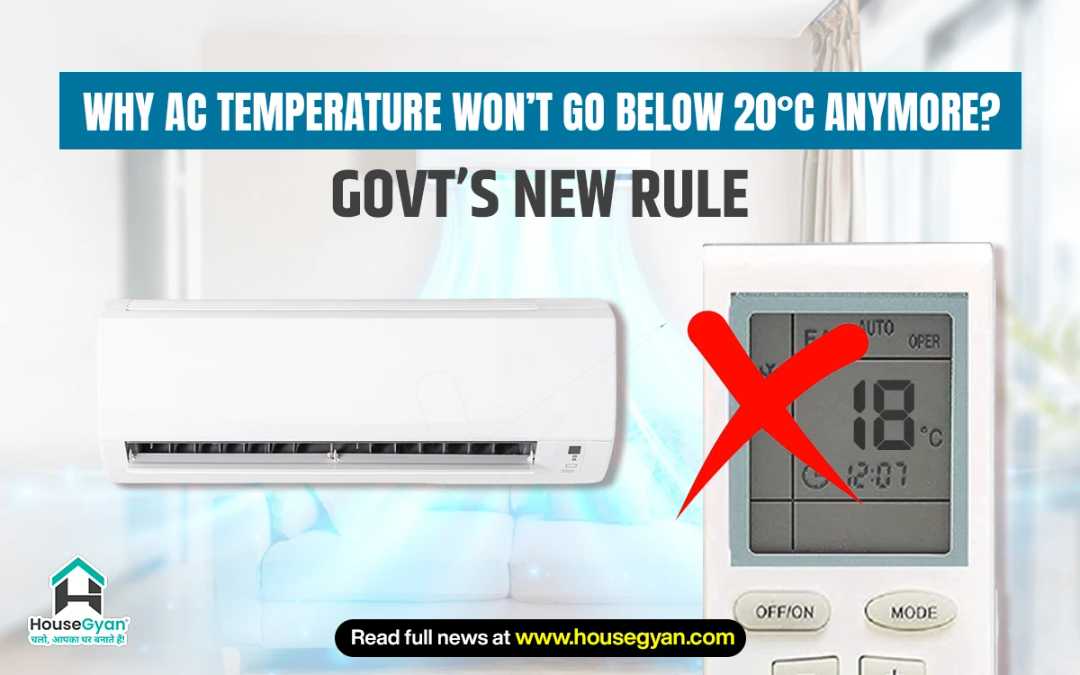
In a move that has surprised many, the Government of India has proposed a new rule that restricts air conditioners (ACs) from being set below 20°C in public and commercial places.
This means, if you’re at a mall, office, cinema hall, hotel, or airport, you may no longer be able to set the AC below 20 degrees Celsius.
At home, it’s not mandatory yet, but people are encouraged to follow it.
Why Has the Government Made This Rule?
The main reasons behind this decision are:
1. Electricity Saving
Running an AC at a lower temperature like 16°C or 18°C uses 30–40% more electricity than running it at 24°C.
If everyone sets their AC to 24°C instead of 18°C, the country can save up to ₹20,000 crore worth of electricity every year.
2. Protecting the Environment
Air conditioners release greenhouse gases that harm the environment. The lower the temperature, the harder the AC works, and the more pollution it causes.
By limiting the temperature to 20°C or above, carbon emissions can be reduced significantly, which helps in fighting climate change.
3. Health Benefits
Many doctors say that keeping your room too cold can lead to cold, cough, body pain, and breathing problems.
The ideal temperature for health and comfort is between 22°C to 26°C. This range keeps the body balanced and avoids health risks.
Read More: अब क्यों नहीं जाएगा AC का Temperature 20°C से नीचे? सरकार का नया नियम
How Much Energy Can Be Saved?
According to energy experts:
-
For every 1°C increase in AC temperature, you save about 6% energy.
-
Setting your AC at 24°C instead of 18°C can save thousands of rupees annually.
-
At a national level, 20 billion kWh of electricity can be saved if everyone follows this.
Where Will This Rule Be Implemented?
The AC temperature rule is being applied in:
-
Government offices
-
Shopping malls
-
Airports and railway stations
-
Hotels and restaurants
-
Theatres and conference halls
-
Private corporate offices
Note: This rule is not enforced in homes for now, but following it is highly recommended.
|
HouseGyan Offering | ||
Will Future ACs Come Pre-Set at 20°C from the Manufacturer?
According to reports and energy department suggestions, in the near future:
-
AC manufacturers may be instructed to set 20°C as the minimum temperature by default during production.
-
This means users may not be able to lower the temperature below 20°C in new AC models, especially those used in public and commercial buildings.
While this is not yet mandatory for residential ACs, it is being encouraged as part of India’s energy-saving and eco-friendly initiative.
What Should You Do Now?
Here are some simple tips to stay comfortable and save energy at the same time:
-
Set your AC to 24°C or above.
-
Use a ceiling fan along with AC.
-
Keep doors and windows closed while AC is running.
-
Use inverter ACs for better efficiency.
-
Get your AC serviced regularly.
Final Thoughts
The government’s 20°C rule might feel strict, but it’s a smart and eco-friendly decision.
It helps:
-
Cut down your electricity bills
-
Protect the environment
-
Improve your health and well-being
-
Extend the life of your AC
Small steps like this can bring big change. So the next time you feel like turning your AC to 16°C – pause and set it to 24°C instead. Your wallet, your health, and the planet will thank you!
What Do You Think?
Would you support this new rule? Tell us in the comments below how you set your AC at home!
The government has proposed a rule to restrict ACs below 20°C in public and commercial places to save energy and reduce environmental impact. No, it is not mandatory for homes yet, but people are encouraged to follow it for energy saving and better health. The recommended temperature is between 22°C to 26°C for a balance of comfort, health, and efficiency. You can save about 6% energy for every 1°C increase, which can significantly reduce electricity bills. This rule applies to places like malls, offices, airports, hotels, theatres, and government buildings. In the future, manufacturers may set 20°C as the default minimum temperature, especially for commercial use. It helps save electricity, reduce pollution, improve health, and increase the lifespan of your AC.FAQs
1. Why won’t AC temperature go below 20°C anymore?
2. Is the 20°C AC rule लागू at home?
3. What is the ideal AC temperature for comfort?
4. How much electricity can be saved by increasing AC temperature?
5. Where is the AC temperature rule लागू?
6. Will new ACs come with a minimum temperature of 20°C?
7. What are the benefits of following the 20°C rule?