
Table Of Content ☰
- Understanding the Color Capping Trend
- How the Trend Started in Modern Interior Design
- Why Color Capping Is Gaining Popularity
- Key Principles Behind Color Capping
- What is Color Capping Trend? How to Use It In Your Homes in Real Spaces
- Step-by-Step Guide to Applying Color Capping
- Color Capping for Different Interior Styles
- Common Mistakes to Avoid
- Expert Tips to Elevate the Trend
- FAQs
- Conclusion
Understanding the Color Capping Trend
The design world moves fast, but every now and then, a trend comes along that feels fresh, timeless, and surprisingly simple to use. That’s exactly why many homeowners are asking, “What is Color Capping Trend? How to Use It In Your Homes?” This trend is gaining popularity because it offers a smart and stylish way to add dimension and personality without overpowering your space.
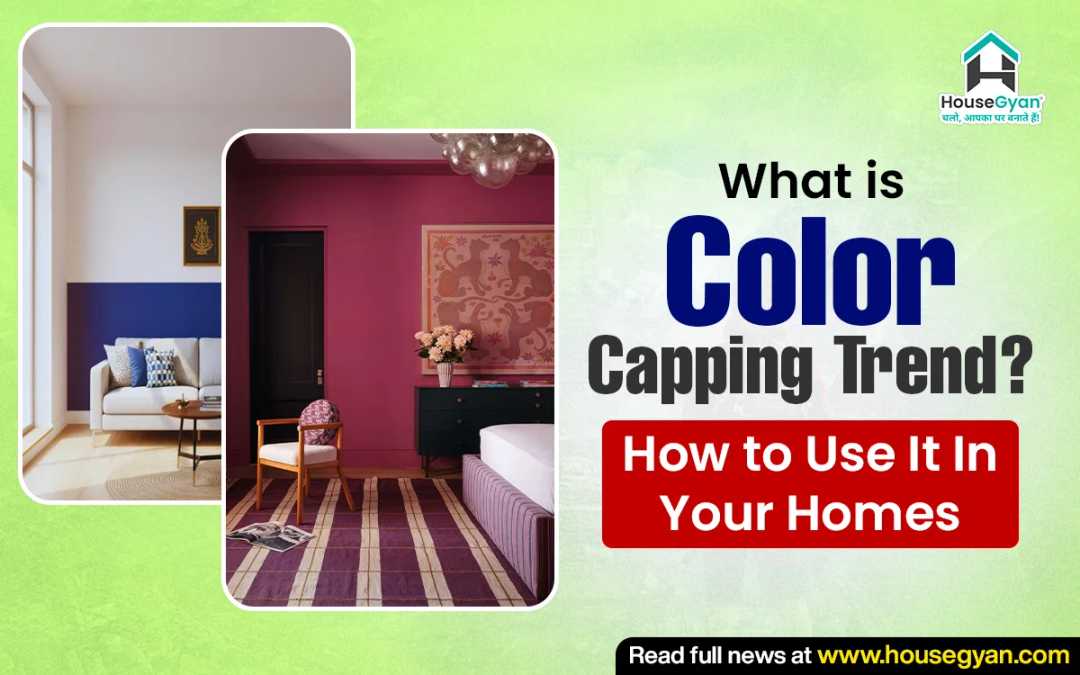
Color capping involves painting the upper portion of your wall and sometimes the ceiling in a different color from the lower part. This creates a visual “cap” that adds height, drama, and balance. It’s a modern twist on traditional wall treatments and is now used in minimalist homes, contemporary spaces, and even cozy cottages.
How the Trend Started in Modern Interior Design
Color capping first appeared in Scandinavian design, where interiors rely on clean lines, soft tones, and natural light. Designers used capped colors to make ceilings feel higher and rooms feel more spacious. Over time, it spread across Europe, then to global design circles thanks to social media inspiration and modern renovation shows.
Today, it’s beloved by designers because it transforms walls without needing expensive materials.
Why Color Capping Is Gaining Popularity
Here’s why homeowners love it:
Makes rooms feel taller
Adds visual interest without clutter
Works with bold or neutral colors
Enhances architectural details
Easy enough for beginners to DIY
Color capping is not only stylish but also budget-friendly—perfect for giving your home a fresh, updated look.
Read More: Home Interior Design
Key Principles Behind Color Capping
Choosing the Right Height for the Cap
The height of your “cap line” determines the whole vibe:
⅓ Height Rule: Great for cozy rooms
⅔ Height Rule: Creates a dramatic, modern look
Full Ceiling Cap: Paint the upper wall and ceiling for a cocoon effect
Selecting the Best Paint Colors
Popular combinations include:
Warm white + terracotta
Cream + sage green
Blush + warm gray
Navy + crisp white
Pro tip: Lighter colors on top make ceilings feel higher. Dark colors create mood and intimacy.
Tools & Materials Needed
Painter’s tape
High-quality angled brush
Level or laser guide
Roller with extension pole
Interior matte or eggshell paint
What is Color Capping Trend? How to Use It In Your Homes in Real Spaces
Living Rooms
Color capping in living rooms can add warmth and structure. Try warm neutrals or muted greens to create a serene environment.
Bedrooms
Using soft blues, pastels, or grays in bedrooms promotes calmness. A capped ceiling makes the space feel like a peaceful retreat.
Kitchens & Dining Areas
In kitchens, capped colors can define the cooking space without adding busy décor. Light pastels or earthy tones work best.
Entryways & Hallways
Add depth and character with mid-tone hues. These narrow spaces benefit from visual height.
Step-by-Step Guide to Applying Color Capping
1. Prepare Your Walls
Clean the surface, repair cracks, and lightly sand to ensure a smooth finish.
2. Measure & Tape the Cap Line
Use a level or laser to make sure the line is perfectly straight—uneven lines ruin the effect.
3. Paint the Upper Section
Start by cutting in along the tape line, then paint downward. Apply two coats for an even finish.
Read More: Budget-Friendly Wall Painting Ideas
Color Capping for Different Interior Styles
Scandinavian & Minimalist Homes
Use muted, airy colors like pale gray, oatmeal, or misty blue.
Modern Homes
Bold caps like charcoal, rust, or deep olive add depth and elegance.
Small Apartments
Paint only the top quarter of the wall to make ceilings feel higher.
Common Mistakes to Avoid
Choosing a color too close in tone to the bottom section
Making the cap line uneven
Using glossy paint (shows imperfections)
Ending the cap at awkward architectural points
Expert Tips to Elevate the Trend
Add matching décor pieces—pillows or rugs in the same tone as the cap
Use matte finishes for a soft, calming feel
Extend the cap color onto the ceiling for a dramatic look
Pair the trend with simple furniture to let the walls stand out
HouseGyan Offering | ||
FAQs
1. What is the main purpose of color capping?
To visually enhance height, add interest, and give structure to a room.
2. Is color capping good for small rooms?
Yes! It can make ceilings look higher and rooms feel more open.
3. Should the cap color be darker or lighter?
Either works. Dark colors add drama, while light colors create openness.
4. Can beginners try color capping?
Absolutely. With painter’s tape and a good level, it's very DIY-friendly.
5. Does color capping work with patterned wallpapers?
Yes. Use wallpaper on the lower half and a solid color cap on top for balance.
6. How long does the project take?
Most rooms can be completed in one day, depending on drying times.
Conclusion
Color capping is one of the easiest and most impactful design trends to try. If you’ve wondered “What is Color Capping Trend? How to Use It In Your Homes,” now you know exactly how simple and transformative it can be. With the right color choices and a steady cap line, your home can instantly feel more stylish, modern, and beautifully balanced.