
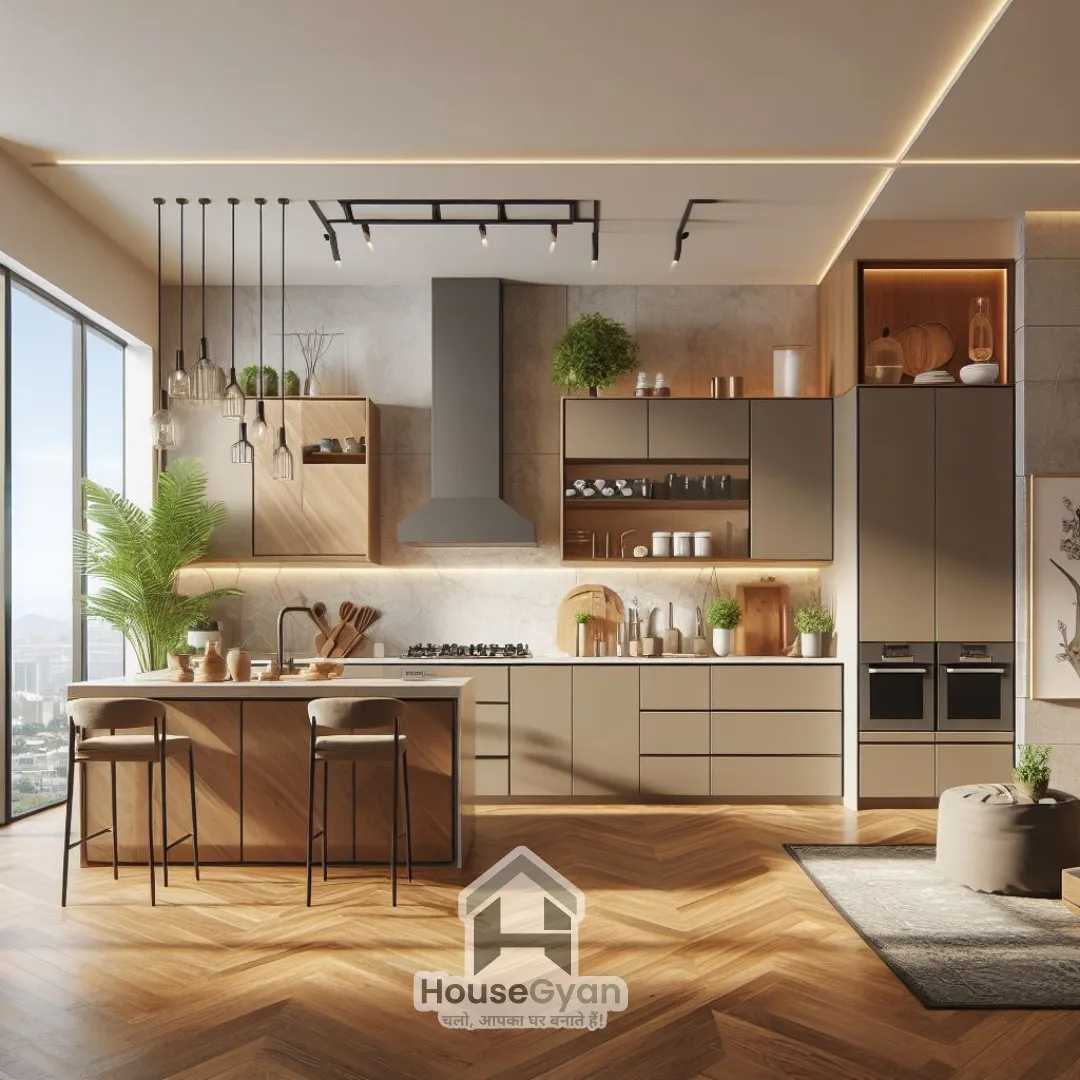
Designing a modular kitchen is an exciting yet important task as it can completely transform your cooking experience. A well-planned modular kitchen not only makes efficient use of space but also adds to the aesthetics of your home. Here are some key things to consider before getting started.
What is a Modular Kitchen?
A modular kitchen design is a modern and flexible way to design your kitchen space using pre-manufactured modules or cabinets. These kitchens are designed to maximize space while keeping the design sleek and functional. A typical modular kitchen includes cabinets, drawers, shelves, and workspaces that can be easily assembled and installed.
Why Choose a Modular Kitchen?
Modular kitchens offer several advantages:
-
Space optimization: They utilize every inch of your kitchen efficiently.
-
Customization: You can choose from different styles, finishes, and layouts.
-
Easy installation and maintenance: Modular kitchens are easier to install and clean.
-
Durability and longevity: Built with high-quality materials, they are durable.
Factors to Consider Before Designing a Modular Kitchen
1. Understand the Layout Options
The first step is to understand the various modular kitchen layouts, such as:
-
L-Shaped Kitchen: Ideal for small spaces, offering more counter space.
-
U-Shaped Kitchen: Provides ample storage and worktop space.
-
Straight Kitchen: Best suited for compact areas.
-
Island Kitchen: Adds functionality and is great for larger spaces.
Tip: Choose a layout that suits your space and cooking habits.
2. Choose the Right Materials
Materials play a significant role in both the durability and look of your kitchen. Common options include:
-
MDF or Plywood: These are durable and cost-effective.
-
Granite or Marble for Countertops: Both are heat-resistant and long-lasting.
-
Acrylic or Laminate Finishes: Popular for cabinets, they offer a modern and sleek appearance.
Tip: Always opt for moisture-resistant and heat-resistant materials for longevity.
3. Focus on Storage Solutions
Storage is crucial in a modular kitchen. Plan for:
-
Pull-out cabinets: Make it easy to store and access items.
-
Corner units: Utilize awkward spaces effectively.
-
Overhead cabinets: Maximize vertical space.
Tip: Prioritize your needs—more drawers for utensils or larger cupboards for appliances.
4. Select Efficient Appliances
A well-equipped kitchen requires modern appliances. Some essentials include:
-
Built-in ovens and microwaves: Save space and add to the kitchen’s clean look.
-
Induction Cooktops: Safe and energy-efficient.
-
Chimney and Exhaust: Keeps your kitchen smoke-free.
Tip: Choose energy-efficient appliances to reduce long-term costs.
5. Plan the Lighting
Lighting can transform the look and usability of your kitchen. Some ideas are:
-
Task lighting: Focuses on areas like the stove or countertops.
-
Ambient lighting: Creates a cozy environment.
-
Under-cabinet lighting: Enhances visibility and adds a modern touch.
Tip: A well-lit kitchen is both functional and inviting.
6. Plan for Proper Ventilation
Proper ventilation is essential to ensure your kitchen stays fresh and odour-free. Installing a chimney or an exhaust fan is crucial.
Tip: Consider a powerful chimney to handle heavy-duty cooking.
7. Maintain Aesthetic Appeal
The visual appeal of your modular kitchen matters. Pick a color scheme and design that complements your home’s overall decor, such as:
-
Neutral Tones: For a timeless look.
-
Bright Colors: Adds vibrancy and energy to the space.
Tip: Keep it simple for a modern, clutter-free look.
|
HouseGyan Offering | ||
8. Stick to Your Budget
Modular kitchens can range from affordable to high-end. Set a clear budget and stick to it. Consider using a Kitchen Cost Calculator to estimate your costs in advance.
Conclusion
Designing a modular kitchen can be a rewarding experience when done thoughtfully. From choosing the right layout and materials to ensuring sufficient storage and lighting, each decision plays a role in creating your dream kitchen.
For more tips, check out this modular kitchen design guide or use HouseGyan's kitchen price calculator to estimate costs based on your specific needs.
FAQs
1. What is a modular kitchen?
A modular kitchen is a modern kitchen setup made with pre-designed cabinets, drawers, and units that are easy to install and optimize space efficiently.
2. Which layout is best for a modular kitchen?
The best layout depends on your space. L-shaped suits small kitchens, U-shaped works for larger spaces, and straight layouts are ideal for compact areas.
3. What materials are best for modular kitchens?
Plywood and MDF are commonly used for cabinets, while granite or marble are preferred for countertops due to durability and heat resistance.
4. How can I maximize storage in a modular kitchen?
You can use pull-out cabinets, corner units, and overhead storage to make the most of available space.
5. Which appliances are essential for a modular kitchen?
Built-in ovens, induction cooktops, chimneys, and microwaves are essential for a functional and modern kitchen.
6. Why is lighting important in a modular kitchen?
Good lighting improves visibility for cooking and enhances the overall look of your kitchen with task and ambient lighting.
7. How much does a modular kitchen cost?
The cost varies based on size, materials, and design. Setting a budget and using a cost calculator can help estimate expenses.