
Table Of Content ☰
- Introduction to Furniture Choices in Modern Living
- What is Modular Furniture?
- What is Traditional Furniture?
- Key Differences: Modular Furniture vs Traditional Furniture
- Which Furniture is Better for Different Spaces?
- Expert Opinions and Market Trends
- FAQs About Modular Furniture vs Traditional Furniture
- Conclusion: Choosing the Right Furniture for Your Lifestyle
Furniture is more than just something to sit on or store items in—it shapes the look, feel, and functionality of our spaces. When setting up a home or office, one of the biggest debates is modular furniture vs traditional furniture. Both options have unique benefits and drawbacks, making it tricky to decide which one suits your lifestyle best.
In this article, we’ll break down the differences, explore the pros and cons, and help you choose the right option for your space.
Introduction to Furniture Choices in Modern Living
The world of furniture has changed dramatically in the last few decades. With rising urbanization, smaller living spaces, and changing tastes, homeowners now prioritize functionality, flexibility, and style.
Traditional furniture, with its classic appeal and long-lasting durability, has always been a safe choice. But modular furniture, with its modern design and adaptability, is quickly gaining ground. So, how do you decide between the two? Let’s explore.
What is Modular Furniture?
Definition and Key Features
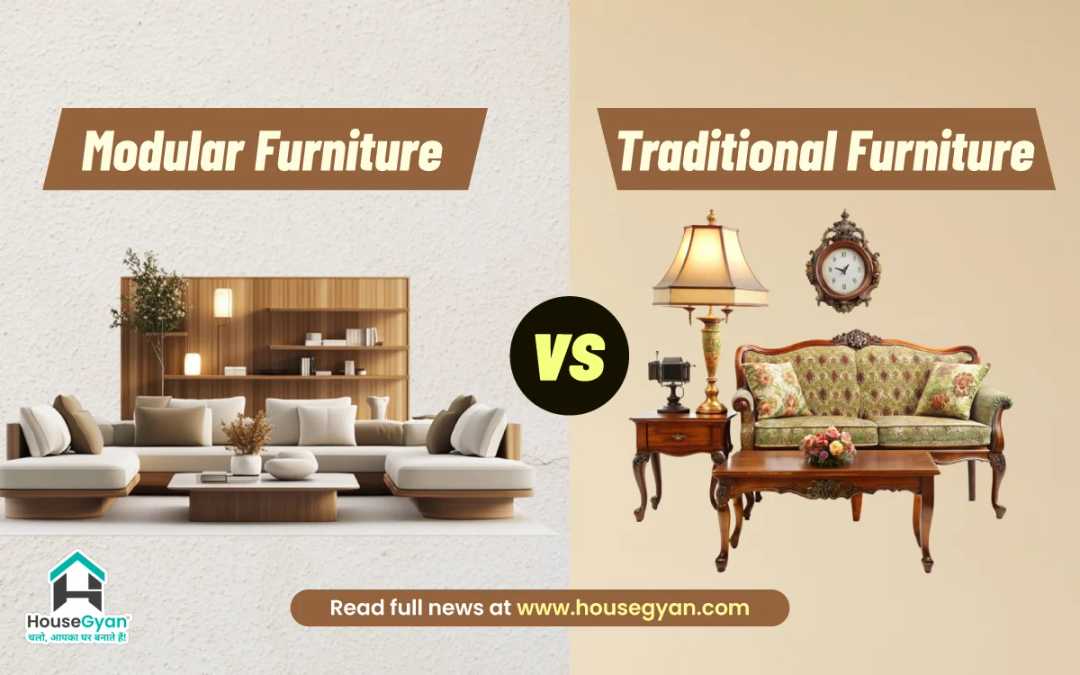
Modular furniture is designed with interchangeable units or sections that can be arranged in multiple ways. Think of it like Lego for your home—pieces that fit together in different configurations to suit your needs.
Benefits of Modular Furniture
Flexibility: Easily reconfigured to fit different room sizes.
Space-Saving: Ideal for compact urban homes.
Modern Aesthetics: Sleek, stylish, and trendy designs.
Customization: Choose from a variety of finishes, fabrics, and sizes.
Easy to Move: Lightweight and transport-friendly.
Limitations of Modular Furniture
Durability Concerns: Often not as long-lasting as solid wood traditional pieces.
Higher Maintenance: Hinges and connectors may need regular attention.
Trendy, Not Timeless: Styles may go out of fashion quickly.
What is Traditional Furniture?
Definition and Characteristics
Traditional furniture is typically handcrafted or factory-made with solid wood, metal, or other long-lasting materials. It is built to last for decades and often carries cultural or artistic value.
Benefits of Traditional Furniture
Durability: Solid construction that can last generations.
Timeless Appeal: Classic designs never go out of style.
Value for Money: Retains resale value and can even become antiques.
Craftsmanship: Fine detailing and artistry.
Limitations of Traditional Furniture
Heavy and Hard to Move: Not ideal for frequent relocations.
Takes Up More Space: Bulky designs don’t always fit modern small homes.
Limited Customization: What you buy is what you get.
Key Differences: Modular Furniture vs Traditional Furniture
Design and Aesthetics
Modular: Sleek, modern, and adaptable.
Traditional: Classic, ornate, and rich in detail.
Flexibility and Customization
Modular: Highly customizable.
Traditional: Minimal flexibility.
Durability and Lifespan
Modular: 5–10 years on average.
Traditional: 20+ years, often passed down generations.
Cost and Value for Money
Modular: Initially affordable but may need replacement sooner.
Traditional: Expensive upfront but lasts longer, offering better value.
Maintenance and Repairs
Modular: Requires regular adjustments.
Traditional: Rarely breaks but may need polishing.
Read More: Top 10 Furniture Brands In India
Which Furniture is Better for Different Spaces?
Small Apartments and Urban Homes
Modular furniture is the clear winner here. Compact, foldable, and multi-functional designs make it perfect for city living.
Large Homes and Traditional Settings
Traditional furniture shines in bigger spaces where its grandeur and craftsmanship can truly stand out.
Office and Commercial Use
Modular furniture is preferred for offices since it’s easy to rearrange and adapt to changing needs.
Expert Opinions and Market Trends
Sustainability and Eco-Friendly Choices
Both options can be eco-friendly if sourced responsibly. Modular furniture often uses engineered wood, while traditional furniture relies on natural hardwood.
Growing Popularity of Modular Furniture
With rising urbanization, the demand for modular designs is booming. However, traditional furniture remains popular among those who value longevity and timelessness.
HouseGyan Offering | ||
FAQs About Modular Furniture vs Traditional Furniture
Q1. Which is more budget-friendly, modular or traditional furniture?
Modular furniture is usually cheaper upfront, but traditional furniture can be more cost-effective in the long run due to its durability.
Q2. Is modular furniture strong enough for daily use?
Yes, but it may not last as long as solid wood traditional furniture. Regular maintenance is required.
Q3. Can traditional furniture fit into small apartments?
It can, but bulky designs may overwhelm compact spaces. Modular is better for small homes.
Q4. Which furniture type is easier to maintain?
Traditional furniture is easier since it requires less frequent repairs. Modular often needs hinge or joint adjustments.
Q5. Which option is better for office use?
Modular furniture is ideal for offices due to flexibility and easy rearrangement.
Q6. Does modular furniture lose value over time?
Yes, it tends to depreciate faster than traditional furniture, which may even appreciate as an antique.
Conclusion: Choosing the Right Furniture for Your Lifestyle
When it comes to modular furniture vs traditional furniture, there’s no one-size-fits-all answer. If you live in a small apartment, move frequently, or want a modern aesthetic, modular furniture is your best bet. But if you value durability, timeless appeal, and craftsmanship, traditional furniture will always stand strong.
Ultimately, the better option depends on your space, budget, and lifestyle.