
Table Of Content ☰
-
1. 15 Essential Fire Safety Tips for Every Home
- 1.1 Install Smoke Detectors
- 1.2 Keep Fire Extinguishers Accessible
- 1.3 Inspect Electrical Wiring Regularly
- 1.4 Avoid Overloading Power Outlets
- 1.5 Use ISI-Certified Electrical Products
- 1.6 Check LPG Connections Frequently
- 1.7 Never Leave Cooking Unattended
- 1.8 Keep Flammable Materials Away from Heat
- 1.9 Create a Family Fire Escape Plan
- 1.10 Teach Children Fire Safety Rules
- 1.11 Maintain Fire Extinguishers
- 1.12 Keep Emergency Numbers Handy
- 1.13 Install MCBs and RCCBs
- 1.14 Store Chemicals Safely
- 1.15 Conduct Regular Fire Safety Checks
- 2. Fire Safety Checklist for Homeowners
- 3. Common Fire Safety Mistakes to Avoid
- 4. Conclusion
- 5. FAQs
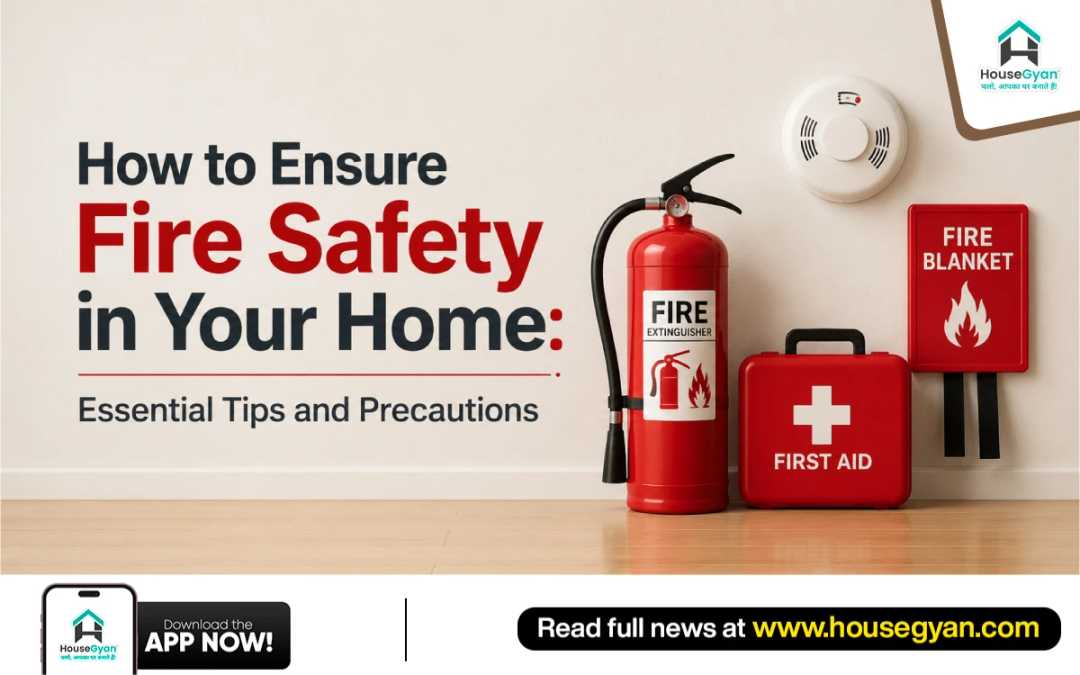
Fire safety in the home is important to all families. Even a minor mistake while cooking, wiring, mixing an LPG cylinder or any electrical appliance in the kitchen can lead to a major fire. Because lives, property and valuable belongings can be saved by good home fire safety habits. House fires are less likely to occur if you do simple things, such as using a smoke detector, having an extinguisher of your own, inspect wiring, and practicing fire kitchen fire safety.
15 Essential Fire Safety Tips for Every Home
1. Install Smoke Detectors
-
Bedrooms, hallways, kitchens, and near staircases should all be equipped with smoke alarms.
-
They give an early warning when smoke starts spreading.
-
Test smoke detectors monthly.
-
Change batteries as you need.
2. Keep Fire Extinguishers Accessible
-
Maintain a home-use fire extinguisher for home, parking and near electrical panels.
-
Select a household multipurpose fire extinguisher for household fires.
-
Be sure that all adults in the home know how to use it.
3. Inspect Electrical Wiring Regularly
-
Inspect electrical wiring, switches and plug points on a regular basis.
-
Old or damaged wiring can create short circuits or cause greater safety risks in the event of an electrical fire safety.
-
If you see sparks, burning odor or loose sockets, contact a licensed electrician.
4. Avoid Overloading Power Outlets
-
Don't plug too many appliances into a single outlet.
-
Overloaded outlets can heat up and cause fire.
-
Good extension boards, no cheap multi-plugs for better house fire prevention.
5. Use ISI-Certified Electrical Products
-
Purchase ISI-marked electrical equipment, such as cables, switches, chargers or appliances.
-
Low quality products can overheat.
-
The presence of certified products enhances the electrical fire safety of the home.
6. Check LPG Connections Frequently
-
Inspect LPG pipe, regulator and cylinder connection regularly.
-
If you smell gas, turn off the regulator immediately.
-
Fire safety precautions at home include open windows and no use of lights or appliances.
7. Never Leave Cooking Unattended
-
Stay near the stove while cooking.
-
Do not leave hot oil, gas stoves or pressure cookers unattended.
-
Turn off the gas before leaving the kitchen to improve kitchen fire safety.
Read More: How to Protect Your Home from a Gas Leak?
8. Keep Flammable Materials Away from Heat
-
Avoid letting paper, plastic, oil, sanitizer and cleaning liquids come into contact with heat near any curtains.
-
Never keep flammable objects close to a stove, heater, candles, or diyas.
-
Keep such items out of the way in cool, safe areas for fire safety around your home fire safety.
9. Create a Family Fire Escape Plan
-
Draw up a family fire escape plan for the whole family.
-
If possible, mark two ways out of every room.
-
Plan a meeting place away from home.
10. Teach Children Fire Safety Rules
-
Don't allow kids to play with matches, lighters, candles, or sockets.
-
Define emergency numbers - clearly.
-
As a fire safety in home, train them on exiting the house safely in a fire situation.
11. Maintain Fire Extinguishers
-
Look at the pressure gauge and expiration date for your home fire extinguisher.
-
Check that there is no gap in the seal.
-
Refill or replace the extinguisher according to manufacturer's instructions.
Read More: Fire Extinguisher for Home - Types of Fire Extinguishers, How to Use & More.
12. Keep Emergency Numbers Handy
-
Know emergency phone numbers.
-
Write them beside the front door or side door.
-
Taking quick action can limit the effects of fire and make your home safe.
13. Install MCBs and RCCBs
-
Use MCB & RCD for electrical fire safety.
-
They serve to safeguard the home against current leakage and short circuits.
-
When it is not safe, they safely turn off the power.
14. Store Chemicals Safely
-
Keep solvents, cleaners, pesticides and paints in a safe manner
-
Do not place it in direct sunlight and heat.
-
As a fire safety precaution, store containers tightly and out of reach of children
15. Conduct Regular Fire Safety Checks
-
Monthly home fire safety checklist.
-
Check gas pipes, wiring, appliances, smoke detectors and fire extinguishers.
-
House fire prevention through regular checks, which enhances overall Fire Safety in Home.
Fire Safety Checklist for Homeowners
Working smoke alarms, easy access fire extinguishers, safe LPG connections, clear kitchen spaces, proper wiring, MCBs and RCCBs, and clear exits routes are all good items that should be added to a checklist for home fire safety. Also, homeowners need to have emergency numbers on hand, clear away unnecessary sources of flammability and educate family members about fire safety precautions at home.
Common Fire Safety Mistakes to Avoid
-
People don't always listen for signs such as sparking sockets, hot wires, gas odor, or plugged electrical outlets overloaded.
-
There are some houses that won't have a fire extinguisher or even smoke detectors.
-
Other common mistakes include leaving cooking unattended, curtains close to fires and poor quality electric items.
-
House fire prevention can be better done by avoiding these habits.
Conclusion
Basic fire safety measures could save lives! All household fire safety measures, including a fire extinguisher for home use, a safe use of LPG connections, safe use of electrical products, and smoke detectors must be used within every house. By following a simple house fire prevention guide and doing periodic safety checks, you can keep your home safe for your family.
FAQs
1. What are the most common causes of house fires?
Electrical short circuit, leaving LPG running, cooking unattended, candles, heaters and combustible material around warmth are the most common.
2. How can I improve fire safety in my home?
Have a smoke detector, use fire extinguishers, check wiring around the house, do not overload sockets, and use kitchen fire safety rules.
3. Where should smoke detectors be installed?
Install smoke detectors in bedrooms, hallways, near the kitchen, and near staircases
4. Which type of fire extinguisher is best for home use?
For home uses, a multi-purpose ABC type fire extinguisher can be used for most small types of fires.
5. How often should electrical wiring be inspected?
Keep in mind that electrical wiring should be inspected at least annually, particularly in older homes.
6. What should I do if a fire starts in my kitchen?
If safe, shut off gas, use an appropriate extinguisher and don't pour water on oil fires and evacuate if fire moves indoors.