
Table Of Content ☰
- 1. Introduction
- 2. What is Waterproofing in Construction?
- 3. Why Waterproofing is Important in House Construction
- 4. Common Waterproofing Methods Used in House Construction
- 5. Best Waterproofing Method for Different Areas
- 6. Waterproofing Areas in a House
- 7. Waterproofing Materials Used in India
- 8. Conclusion
- 9. FAQs
Introduction
One of the most common issues faced in houses is water damage. This can cause damp walls, leakage in the roof, peeling paint, mould growth and in time structural damage. Hence, one of the key reasons why waterproofing in house construction is essential. Many people are interested in learning what the best waterproofing methods in construction is before building or renovating a home. This guide discusses the house waterproofing methods, waterproofing techniques and building waterproofing methods in Indian homes.
What is Waterproofing in Construction?
Waterproofing is the way of preventing the water from going into the building. Basically, it provides a barrier to prevent water from entering roofs, terraces, bathrooms, basements, walls and other susceptible spaces. A good waterproofing is likely to extending the life of the building and minimising the costs of future repairs. That's why waterproofing techniques for residential buildings are now a significant aspect.
Why Waterproofing is Important in House Construction
Waterproofing can be used to shield the building from seepage, dampness, cracks, mold and structural weakening. Even if the house is well built, the house can experience leakage issues after a few monsoons if it is not equipped with it. Indian weather conditions frequently involve high humidity, intense heat and rain, making waterproofing solutions for Indian homes particularly crucial. If you are interested in knowing how to stop water leakage in walls and roofs before its too late then waterproofing is the answer.
Common Waterproofing Methods Used in House Construction
1. Cementitious Waterproofing
-
One of the most frequent types of waterproofing methods in construction.
-
Because it's easy and simple to apply, it's commonly used in bathrooms, water tanks and other wet areas in the interior.
2. Liquid Waterproofing Membrane
-
This method involves a coating which is liquid when applied and will form a protective membrane upon drying.
-
Flexible and suitable for use on roofs, balconies, and exposed surfaces.
3. Bituminous Waterproofing
-
This method involves a coating which is liquid when applied and will form a protective membrane upon drying.
-
Flexible and suitable for use on roofs, balconies, and exposed surfaces.
4. Bituminous Membrane Waterproofing
-
One of the building waterproofing methods employed on terraces, basements and flat roofs is this method that makes use of the roll based membrane sheets.
5. Polyurethane Waterproofing
-
Polyurethane coatings are extremely flexible and durable.
-
They are commonly used where high water-resistance and crack-bridging is required.
6. Injection Grouting Waterproofing
-
This technique is applied to seal cracks and leakages.
-
It can be helpful in the presence of leaking joints or cracks in concrete.
7. Crystalline Waterproofing
-
This technique reacts with concrete and creates crystals in the pores which can block the water paths.
-
It is used commonly in basements, foundations and retaining walls.
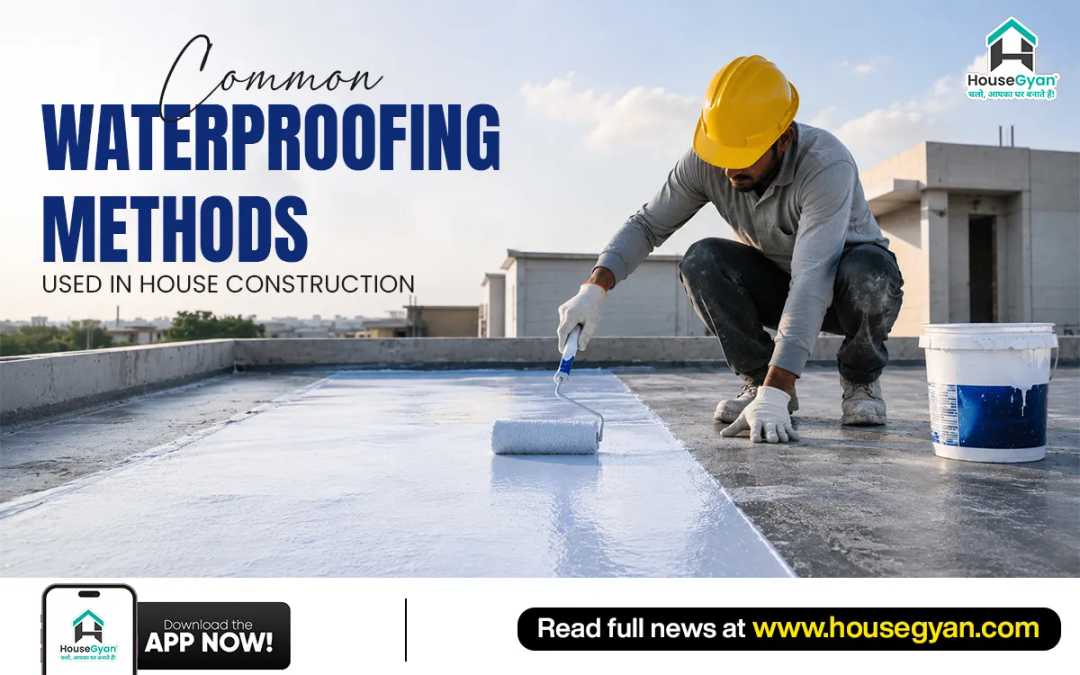
8. Terrace Waterproofing Method
-
The most common terrace treatments are liquid membranes, bituminous systems and polymer modified coatings.
-
The best waterproofing method for a terrace in India depends on the condition of the terrace, slope of the terrace, drainage, and the exposure to weather.
Read More: Top Waterproofing Chemicals for Terrace & Bathroom 2026.
Best Waterproofing Method for Different Areas
Liquid membrane, polyurethane and bituminous roof waterproofing are commonly used for roof leakage solutions. Cementitious coatings and flexible liquid membranes are practical for bathroom waterproofing. Typically, basement waterproofing uses crystalline systems, membranes, and injection grouting. Elastomeric coatings and water-repellent treatments are sometimes used for protection of an exterior wall.
Waterproofing Areas in a House
The most critical areas that require waterproofing are terraces, roofs, bathrooms, basements, balconies, outer walls, and wet utility areas. When it comes to waterproofing and roof treatment, bathroom waterproofing and roofing in most houses are of great importance because they come in contact with water on a daily basis. Lower walls and plinth areas are also affected by good damp proofing methods.
Read More: Understanding Common Water Leakage Problems and Solutions in House.
Waterproofing Materials Used in India
The most popular waterproofing chemicals India are polymer coatings, acrylic liquids, bituminous compounds, PU coatings, sealants, grouts, and crystalline products. Depending on the area and type of leakage, these materials are extensively used in new home construction as well as in repairing old homes.
Conclusion
House construction has several common waterproofing methods used in house construction, and the appropriate one is determined by the location, exposure to water and the condition of the house. Whether you are looking for terrace waterproofing and bathroom waterproofing, crack repair or roof treatment, you have to have the right solution to keep the damage from being severe in the long run. In addition to protecting the home and reducing repair costs, good house waterproofing methods also enhance the durability of the home. If you are looking to build a new house or make improvements to your home, it is good practice to know about these waterproofing techniques.
FAQs
1. Why is waterproofing important for buildings?
It keeps buildings free of dampness, leakage, cracks, paint damage, mold growth and long-term structural weakening. Waterproofing will also extend the life of the building and help to cut down on repair costs in the future if done properly.
2. Which waterproofing method is best for terraces?
The best waterproofing method for terrace in India done depending upon the condition of the surface, drainage, slopes, and weather exposure.
3. What are the common waterproofing materials used in India?
The common materials used are polymer coatings, bitumen, PU coatings, sealants, grouts, cementitious coatings, and other waterproofing chemicals India which are widely used for roof, bathroom, wall and basement applications in India.
4. How much does waterproofing cost in India?
The price varies according to the type of waterproofing, quality of the material, brand of waterproofing products, labor costs, size of surface area, and condition of the surface area. Repair work generally comes at a different price than waterproofing in new construction.
5. Which areas of a house need waterproofing the most?
Typically waterproofing must be addressed on terraces, roofs, bathrooms, basements, balconies, kitchens and on external walls, where these areas are exposed to water or may be subject to water seepage.