
Table Of Content ☰
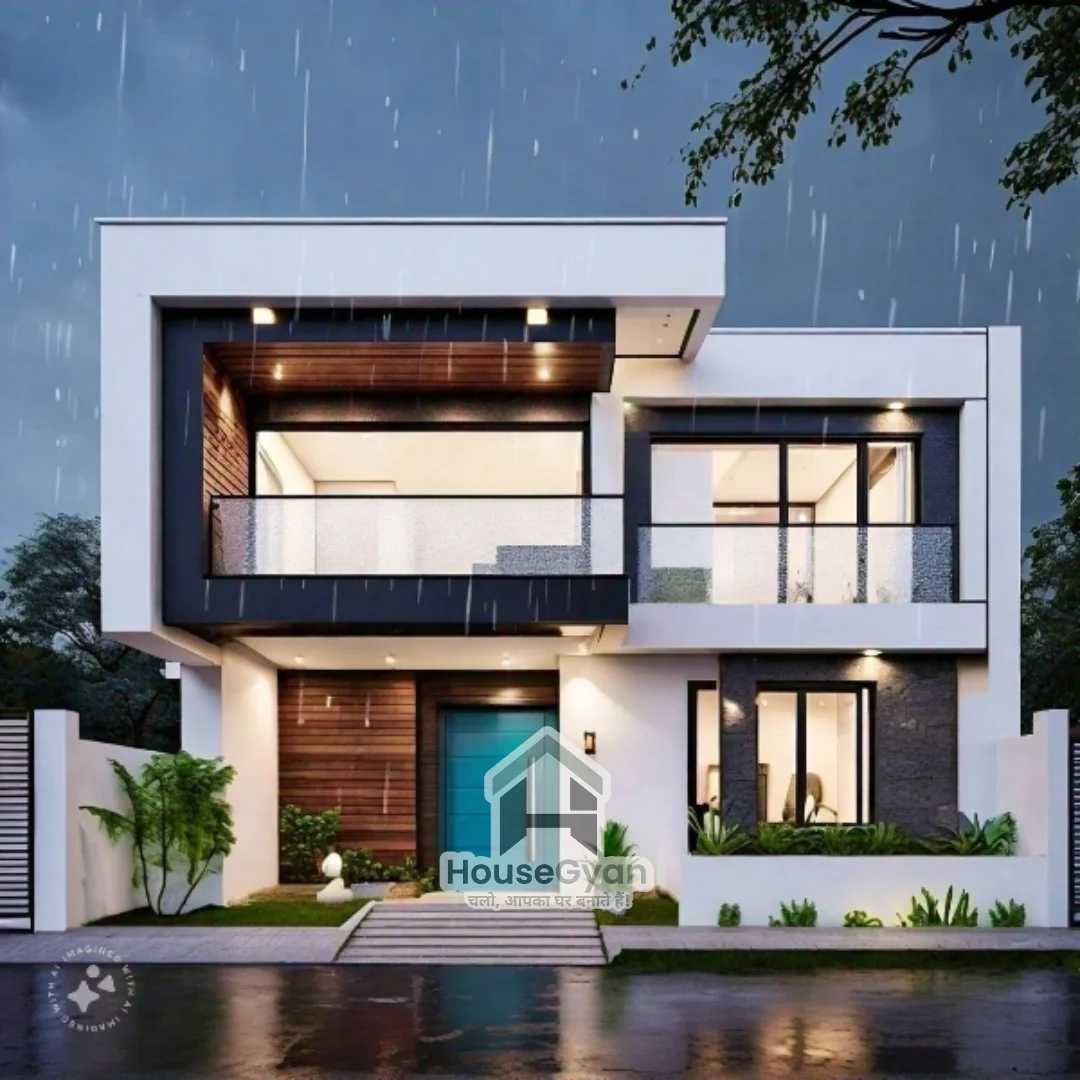
Monsoon season brings much-needed relief from the scorching summer heat, but it also brings challenges for maintaining the exterior of your home. Your elevation design, the first impression of your home, can suffer damage from constant rain, moisture, and humidity. Protecting it during the monsoon is crucial to maintaining the aesthetic appeal and structural integrity of your home. Here are seven ways to safeguard your elevation design this monsoon.
7 Unique Elevation Design Ideas to Follow this Monsoon Season
1. Waterproof Coating
Applying a Waterproof Coating One of the most effective ways to protect your elevation design is by applying a waterproof coating. This coating acts as a barrier, preventing water from seeping into the walls and causing damage. There are various types of waterproof coatings available, including cementitious coatings, bituminous coatings, and acrylic coatings. Choose one that best suits your material and climate conditions.
How to Apply
-
Clean the surface thoroughly to remove dirt, debris, and previous paint.
-
Repair any cracks or damages on the surface.
-
Apply the waterproof coating evenly using a brush, roller, or spray, following the manufacturer's instructions.
-
Allow sufficient drying time between coats.
2. Regular Maintenance and Repairs
Identifying Problem Areas Before the monsoon starts, inspect your home's exterior for any signs of damage, such as cracks, peeling paint, or loose tiles. Addressing these issues early can prevent them from worsening during the rainy season.
Steps for Maintenance
-
Seal all cracks and gaps with appropriate sealants.
-
Repaint areas where the paint is peeling or fading.
-
Replace any damaged or loose tiles.
3. Proper Drainage System
Importance of a Good Drainage System A well-designed drainage system is essential to channel rainwater away from your home's exterior. Poor drainage can lead to water accumulation, which can damage your elevation design.
Setting Up a Drainage System
-
Ensure gutters and downspouts are clean and free of debris.
-
Install gutter guards to prevent leaves and debris from clogging the system.
-
Extend downspouts away from the foundation to avoid water pooling around the house.
4. Protective Roof Overhangs
Benefits of Roof Overhangs Roof overhangs provide an additional layer of protection by directing rainwater away from the walls. They help in reducing the amount of water that comes into contact with the elevation.
Design Considerations
-
Ensure the overhang extends sufficiently to cover the walls below.
-
Check for any leaks or damages in the overhang and repair them promptly.
5. Using Weather-Resistant Materials
Choosing the Right Materials Opt for weather-resistant materials for your exterior design to enhance durability. Materials like fiber cement siding, treated wood, and high-quality stone are excellent choices.
Application Tips
-
For wooden elements, use treated wood and apply a protective sealant to prevent rot and mold.
-
Ensure stone or brickwork is properly sealed to prevent water ingress.
6. Landscaping and Vegetation
Managing Surrounding Vegetation Plants and trees can contribute to the beauty of your elevation design, but they can also pose a risk during the monsoon. Overgrown branches and roots can damage the exterior and create pathways for water.
Maintenance Tips
-
Trim overgrown branches regularly to prevent them from touching the walls.
-
Ensure that the roots of large trees are not interfering with the foundation.
-
Use gravel or mulch around the base of the walls to prevent water from splashing onto the elevation.
7. Installation of Protective Awnings and Canopies
Advantages of Awnings and Canopies Installing awnings or canopies over windows and doors provides extra protection against rain. They can also enhance the visual appeal of your home.
Installation Tips
-
Choose durable, weather-resistant materials for the awnings and canopies.
-
Ensure they are securely fastened to withstand heavy winds and rain.
Conclusion
Protecting your elevation design during the monsoon is essential to maintain the beauty and durability of your home. By applying waterproof coatings, performing regular maintenance, ensuring proper drainage, using protective roof overhangs, selecting weather-resistant materials, managing surrounding vegetation, and installing protective awnings, you can effectively safeguard your home from the adverse effects of the rainy season. These measures not only enhance the longevity of your elevation design but also preserve the aesthetic appeal of your home, ensuring it remains stunning and structurally sound for years to come.
FAQs
1. Why is it important to protect elevation design during monsoon?
Protecting your elevation design prevents water damage, cracks, and fading, helping maintain both appearance and structural strength. Applying a high-quality waterproof coating like acrylic or cementitious coating is the most effective way to protect walls from moisture. You should inspect your exterior before and during the monsoon to identify cracks, leaks, or peeling paint early. A proper drainage system prevents water accumulation around walls, reducing the risk of seepage and structural damage. Materials like fiber cement, treated wood, and sealed stone are highly durable and resistant to rain and humidity. Yes, overgrown plants and roots can trap moisture and damage walls, so regular trimming and maintenance are important. Yes, they provide an extra shield against rain, protecting doors, windows, and walls from direct water exposure.2. What is the best way to waterproof exterior walls?
3. How often should I inspect my home exterior in monsoon?
4. How does a drainage system protect elevation design?
5. Which materials are best for weather-resistant elevation design?
6. Can plants damage the exterior during monsoon?
7. Do awnings and canopies really help in monsoon protection?