
Table Of Content ☰
- Understanding Home Elevation Design
- First Impressions Begin With the House Front
- How Elevation Design Adds Property Value
- Modern Trends in Home Elevation Design
- Functional Benefits Beyond Aesthetics
- Elevation Design as an Expression of Home Identity
- Common Mistakes in Front Elevation Design for Houses
- Conclusion: Elevation Design Is an Investment, Not an Expense
- Frequently Asked Questions (FAQs)
While people often focus on the interior of a house and the furniture inside when building or renovating, house elevation design is just as important. The elevation is the outer appearance of the home, reflecting the homeowner’s personality and directly influencing the property’s value. In many ways, the elevation is the face of the house, and faces truly matter.
A well-planned home elevation design blends both aesthetics and functionality. It affects how the house receives sunlight, airflow, interacts with its surroundings, and even maintains harmony with neighboring buildings. That’s why elevation design deserves far more attention than it usually gets.
Understanding Home Elevation Design
What Is House Elevation Design?
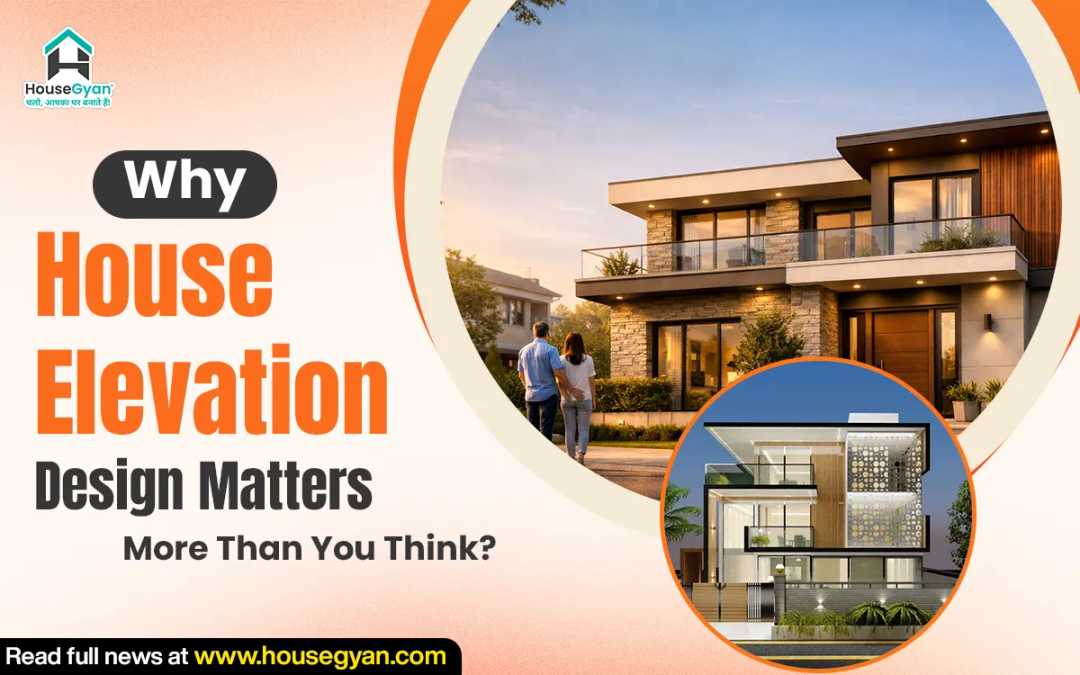
House elevation design refers to the external view of a home. It includes architectural elements such as walls, windows, doors, balconies, roofs, textures, and color schemes. Among all sides, the house front elevation is the most prominent, as it receives maximum visibility and sets the tone for the entire structure.
Key Features of a Good Home Elevation Design
A strong and effective elevation design of home should include:
Well-balanced proportions and structure
Symmetry for visual harmony
Coordinated and balanced color combinations
Quality material selection (stone, wood, glass, metal)
Thoughtful lighting and façade detailing
Together, these elements ensure a perfect balance between beauty and usability.
First Impressions Begin With the House Front
Psychological Impact of an Attractive House Front Elevation
Humans form opinions within seconds, and homes are no exception. A thoughtfully designed house front design creates feelings of warmth, trust, and pride. Whether it’s guests or potential buyers, people often judge the quality of a home by its exterior before stepping inside.
Curb Appeal and Visual Balance
Curb appeal isn’t just about good looks; it’s about balance. Clean lines, consistent design themes, and proportional heights in elevation design help a home stand out without appearing overwhelming or cluttered.
How Elevation Design Adds Property Value
Market Perception and Buyer Appeal
Homes with well-planned front elevation design for house layouts attract more attention in the real estate market. Buyers often associate attractive elevations with superior construction quality and thoughtful architectural planning.
Long-Term Financial Benefits
A timeless and durable home elevation minimizes future renovation costs. Using high-quality materials along with neutral, modern designs ensures longevity and better returns on investment over time.
Read More: Discover how a custom elevation design can boost your home’s appeal and overall property value.
Modern Trends in Home Elevation Design
Stylish and Modern Home Elevation Styles
Contemporary modern home elevation designs focus on simplicity, straight lines, and lighter color tones. Materials like glass and concrete are commonly used to create a sleek, elegant appearance that remains appealing for years.
Sustainable and Climate-Responsive Designs
Today, many homeowners are embracing eco-friendly elevation features such as shading devices, green walls, and energy-efficient designs. These additions enhance comfort while improving the overall visual appeal. Platforms like ArchDaily offer inspiration for sustainable architectural designs.
Functional Benefits Beyond Aesthetics
Ventilation, Sunlight, and Energy Efficiency
A well-designed elevation ensures proper placement of windows and openings, allowing natural light and ventilation to flow freely. This improves indoor comfort and reduces energy consumption.
Privacy and Noise Control
Smart façade planning helps block unwanted noise and enhances privacy, especially in densely populated urban areas.
Elevation Design as an Expression of Home Identity
Personal Style Through Elevation Design of Home
Your home’s elevation speaks before you do. Whether your style is bold, traditional, or minimalist, the elevation design reflects your personality and taste.
Cultural and Regional Influence
Local materials and architectural styles often influence house front design, helping homes blend naturally with their surroundings and maintain cultural harmony.
Common Mistakes in Front Elevation Design for Houses
Overdesigning or Ignoring Proportions
Including too many design elements can make the façade look cluttered. Simplicity, balance, and proportion are essential for a timeless look.
Poor Material Selection
Using trendy but low-quality materials can lead to faster wear and tear and increased maintenance costs. Quality should always be prioritized over short-lived trends.
Conclusion: Elevation Design Is an Investment, Not an Expense
Your home’s façade does more than just look attractive; it works hard every day. From increasing property value and improving comfort to expressing personal style, house elevation design plays a crucial role. When planned thoughtfully, it becomes a long-term investment that enhances both beauty and functionality.
Frequently Asked Questions (FAQs)
1. What is the most important part of house elevation design?
Balance between aesthetics, function, and durability is the most critical factor.
2. Does elevation design affect home value?
Yes, an attractive elevation can significantly increase resale value.
3. How often should a home elevation be updated?
Every 10–15 years, depending on materials and exposure.
4. Is modern home elevation suitable for small houses?
Absolutely. Minimalist modern designs often work best for smaller homes.
5. Can elevation design improve energy efficiency?
Yes, proper shading, ventilation, and materials reduce energy use.
6. Should elevation match interior design?
While not identical, both should follow a cohesive theme.