

When designing the exterior design of a home, choosing the right cladding material is essential for both aesthetic appeal and durability. Elevation cladding materials offer various looks, textures, and functional benefits, allowing homeowners to achieve the desired appearance while ensuring long-lasting performance. In this guide, we will explore the top elevation cladding materials, how to select the best option for your home, and the latest trends in cladding design.
What is Elevation Cladding?
Elevation cladding refers to the material applied to the outer walls of a building to enhance its look, protect it from the elements, and add structural stability. Cladding serves as an outer skin for a building, helping in insulation and reducing maintenance. It can also increase a home’s energy efficiency and protect against environmental damage, such as UV rays, moisture, and temperature changes.
Comparing Elevation Cladding Materials
Choosing the right cladding material depends on several factors, including aesthetics, climate, and maintenance needs. Here are some popular options for elevation design:
|
Cladding Material |
Appearance |
Durability |
Maintenance |
Cost |
|
Stone Cladding |
Natural, rustic look, suits various styles |
Extremely durable, weather-resistant |
Low maintenance; occasional sealing |
High cost; adds value to property |
|
Wood Cladding |
Warm, natural look, fits rustic/contemporary |
Good, but needs treatment for pests/moisture |
Regular painting or sealing required |
Moderate; cost varies by wood type |
|
Metal Cladding |
Modern, industrial look, sleek finishes |
Highly durable, rot/fire/pest-resistant |
Low maintenance; periodic cleaning |
Varies; aluminum and steel common |
|
Concrete Cladding |
Modern, clean look, can mimic stone/brick |
Highly durable, weather-resistant |
Minimal maintenance; paint may fade |
Moderate; cost-effective long-term |
|
Terracotta Cladding |
Warm, earthy, traditional/Mediterranean feel |
Very durable, weather-resistant |
Minimal maintenance; resists fading |
Moderate to high |
|
Glass Cladding |
Sleek, modern, enhances natural light |
Highly durable, requires regular cleaning |
Frequent cleaning to maintain clarity |
Expensive; offers premium appearance |
|
Painted Facades |
Versatile color options for any style |
Depends on paint quality, can chip/fade |
Regular repainting needed |
Cost-effective, flexible style choices |
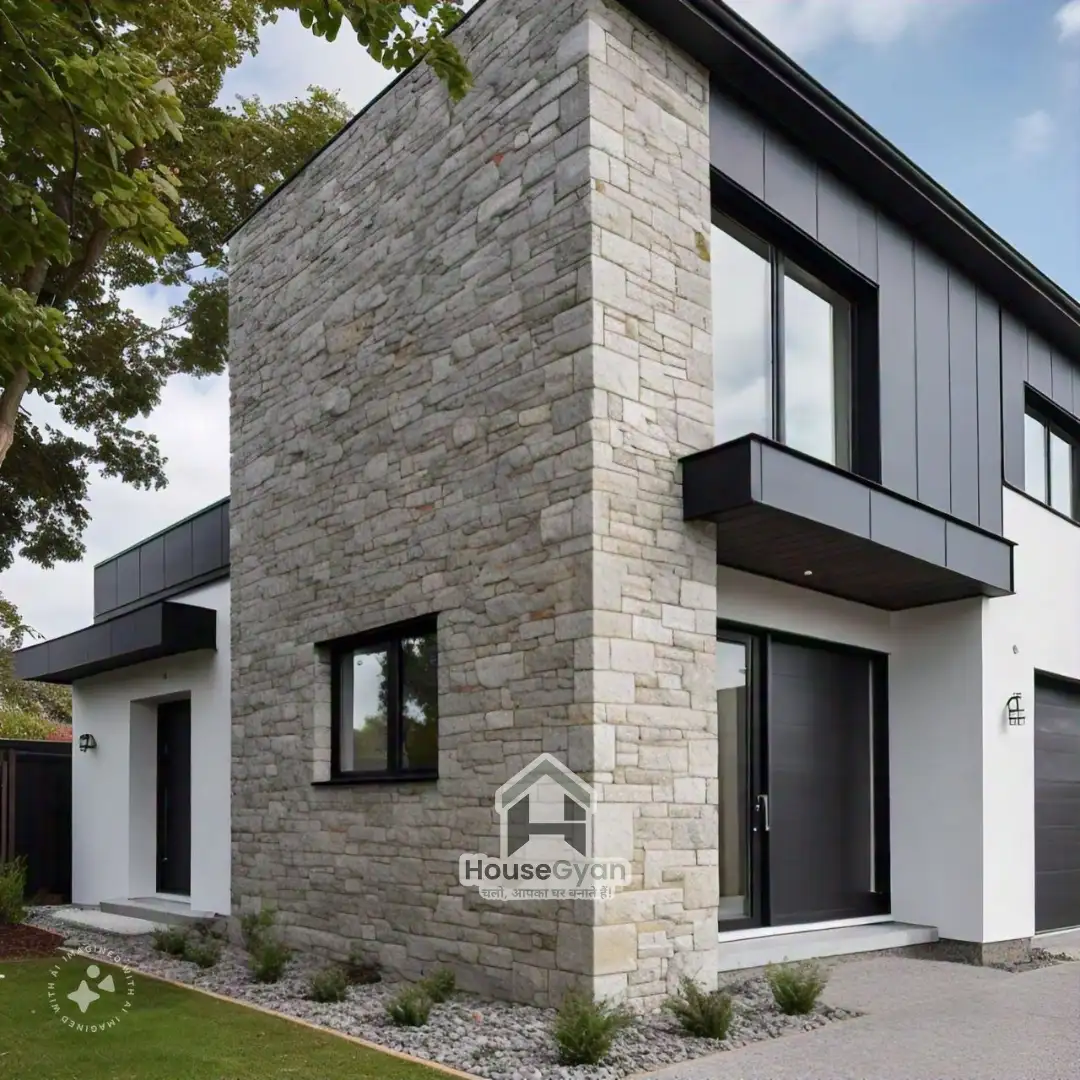
1. Stone Cladding
-
Appearance: Offers a natural, rustic look that blends well with various architectural styles.
-
Durability: Extremely durable and resistant to weather.
-
Maintenance: Requires minimal maintenance but may need occasional sealing.
-
Cost: Generally higher but adds value to the property.
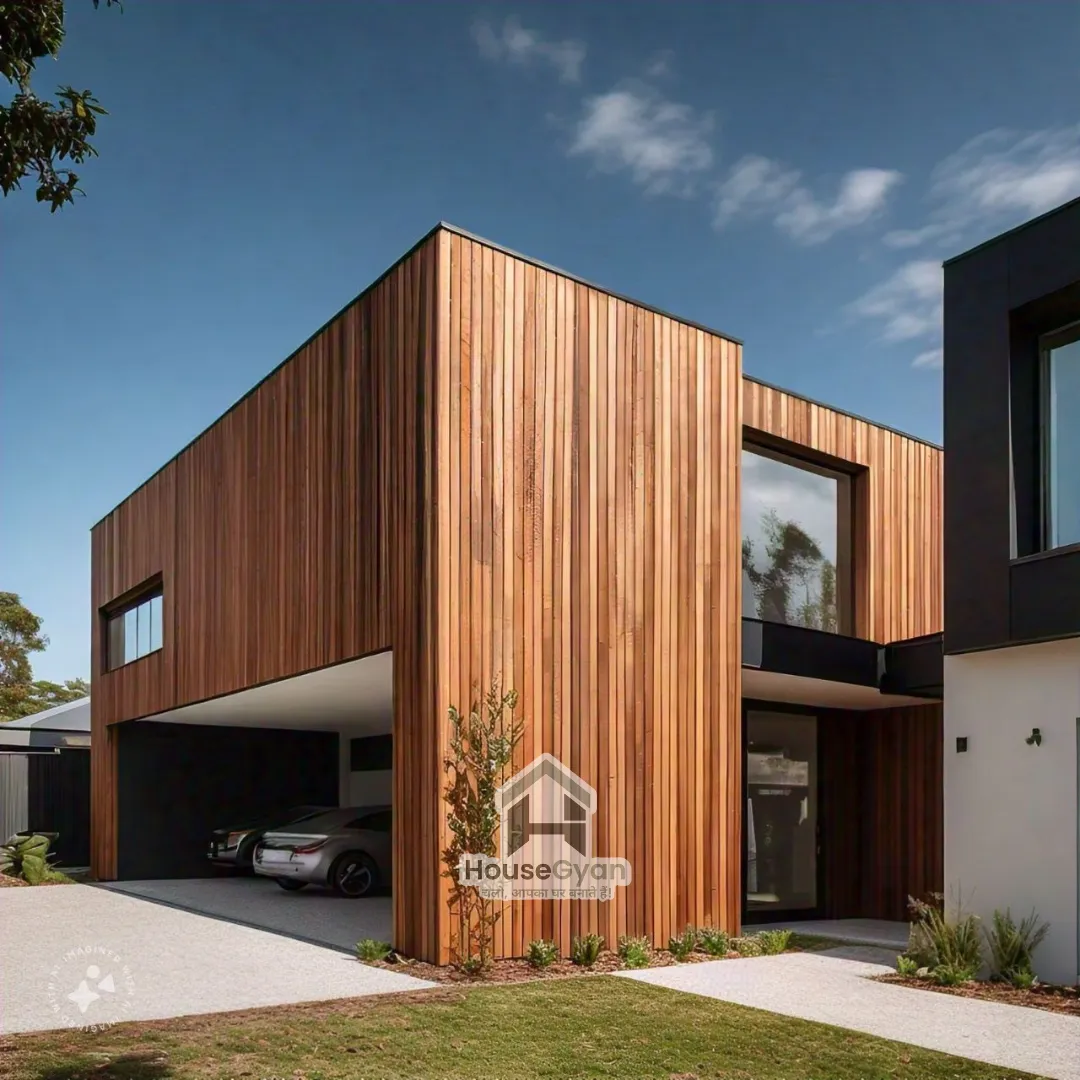
2. Wood Cladding
-
Appearance: Provides a warm, natural look that works well in contemporary and rustic designs.
-
Durability: Good but requires treatment for protection against pests and moisture.
-
Maintenance: Requires regular painting or sealing.
-
Cost: Moderate, with variations depending on the type of wood.
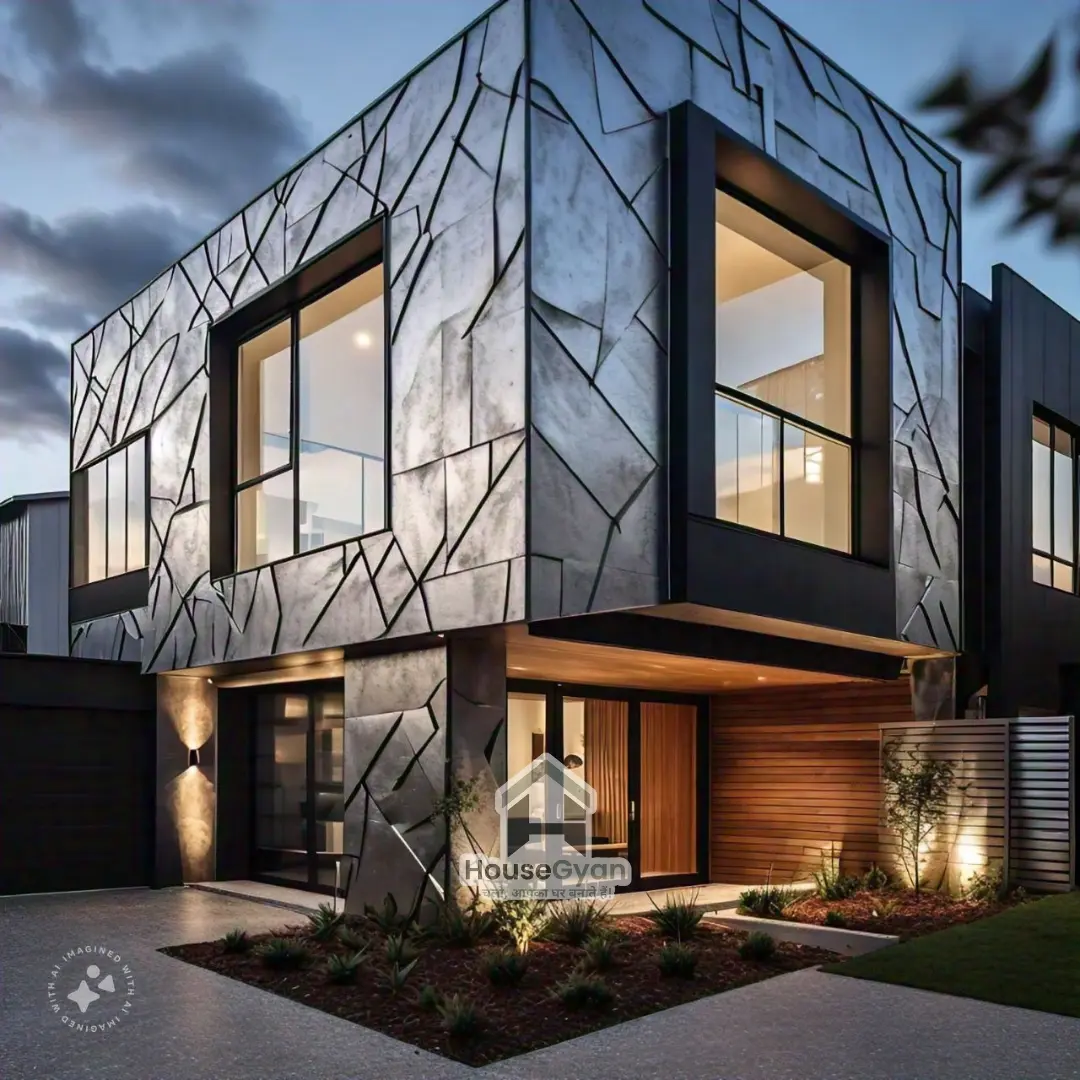
3. Metal Cladding
-
Appearance: Creates a modern, industrial look, often available in sleek finishes.
-
Durability: Highly durable, resistant to rot, fire, and pests.
-
Maintenance: Low maintenance; may need periodic cleaning.
-
Cost: Varies by metal type, with aluminum and steel being popular choices.
|
HouseGyan Offering | ||
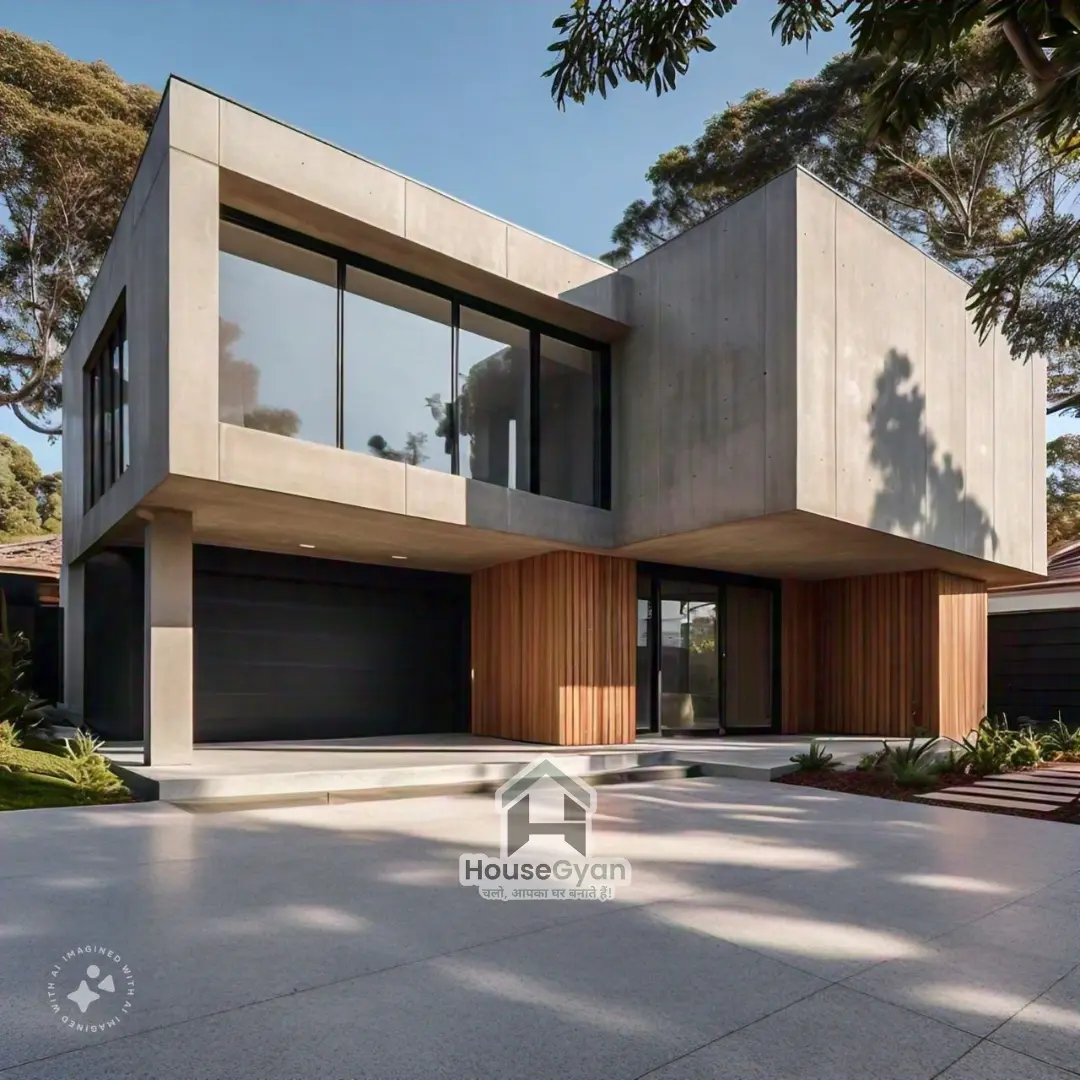
4. Concrete Cladding
-
Appearance: Offers a modern, clean look; can mimic stone or brick.
-
Durability: Highly durable and suitable for all climates.
-
Maintenance: Minimal maintenance, though paint may fade over time.
-
Cost: Moderate, cost-effective for long-term use.
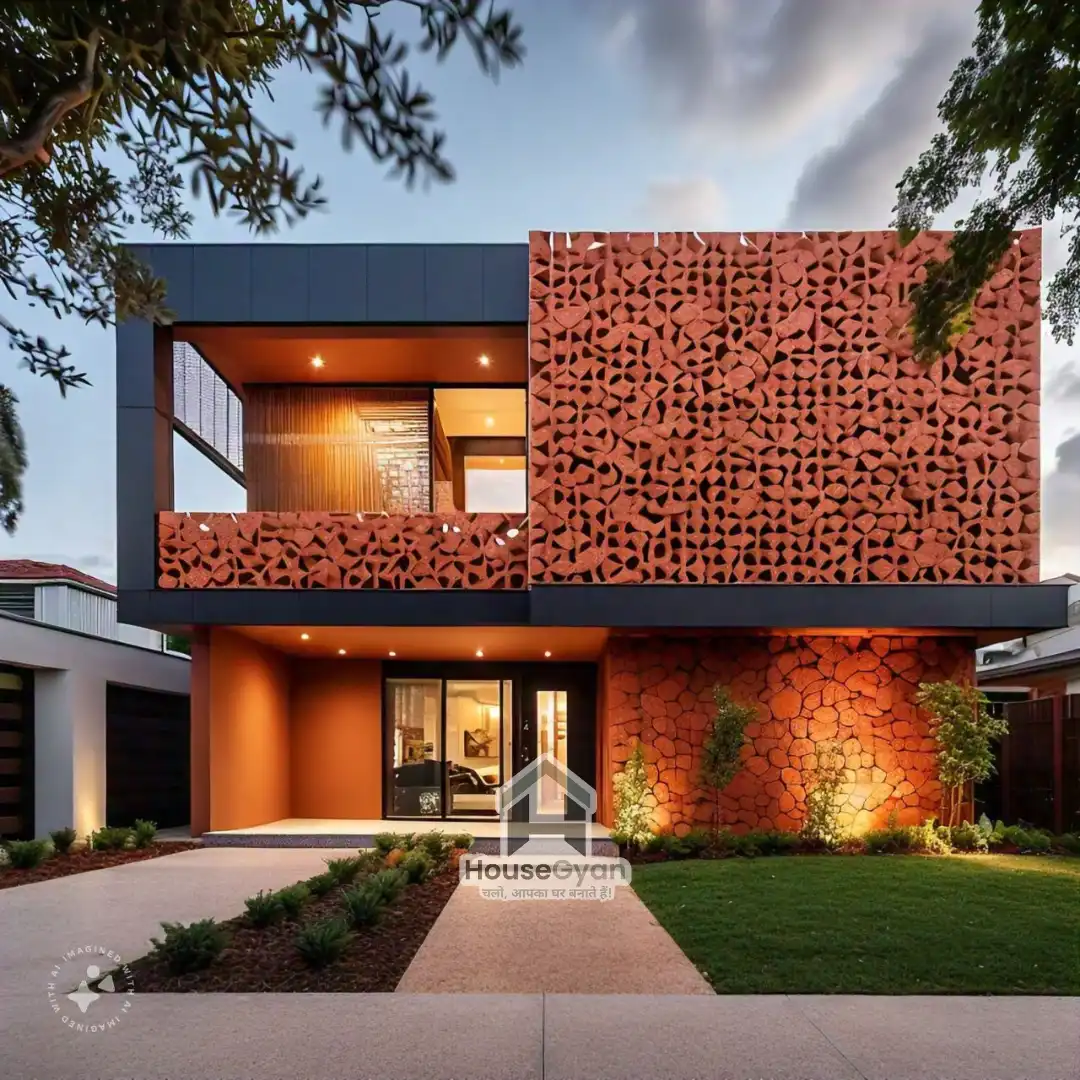
5. Terracotta Cladding
-
Appearance: Provides a warm, earthy look with a traditional or Mediterranean feel.
-
Durability: Very durable and weather-resistant.
-
Maintenance: Minimal; terracotta is naturally resistant to fading.
-
Cost: Moderate to high.
6. Glass Cladding
-
Appearance: Creates a sleek, modern facade that enhances natural light.
-
Durability: Highly durable but requires regular cleaning.
-
Maintenance: Requires frequent cleaning to maintain clarity.
-
Cost: Expensive but adds a premium look.
7. Painted Facades
-
Appearance: Offers a wide range of color options to match any style.
-
Durability: Depends on the paint quality; susceptible to chipping and fading.
-
Maintenance: Requires regular repainting to keep fresh.
-
Cost: Cost-effective and versatile.
How to Choose the Right Elevation Cladding Material for Your Home
When selecting a cladding material, there are key factors to keep in mind:
Climate
-
Stone, concrete, and metal cladding materials hold up well in harsh weather, while wood may require extra protection in humid or wet climates.
Architectural Style
-
Choose materials that match the design of your home. For example, wood cladding is ideal for rustic homes, while glass and metal are popular in contemporary architecture.
Budget
-
Assess costs carefully. Stone and glass cladding can be more expensive, whereas painted facades and wood are generally more affordable.
Maintenance
-
Select a material that fits your maintenance preference. Low-maintenance materials like metal and concrete might be ideal for busy homeowners.
Energy Efficiency
-
Some materials, like concrete and terracotta, offer better insulation and can help reduce energy costs. Glass cladding might require special coatings to improve insulation.
Durability
-
Materials like stone, metal, and concrete offer higher durability and withstand wear and tear effectively.
Local Building Codes
-
Check if there are any local building restrictions or recommendations regarding cladding materials in your area.
Latest Trends in Elevation Cladding Design
-
Eco-Friendly Materials: Sustainable materials like recycled metal and reclaimed wood are increasingly popular.
-
Mixed-Material Facades: Combining two or more materials, such as wood and concrete, adds texture and visual interest.
-
Minimalist Designs: Sleek, clean lines and monochromatic tones are on-trend for a modern look.
-
Bold Colors: Homeowners are experimenting with vibrant, bold colors to make a statement.
-
Natural Textures: Materials with natural finishes, such as untreated wood and stone, are gaining popularity for a rustic or organic look.
Tips for Successful Elevation Cladding Installation
-
Hire Professionals: Skilled installers ensure that materials are applied correctly and securely.
-
Quality Insulation: Proper insulation beneath cladding improves energy efficiency and prevents moisture buildup.
-
Prepare the Surface: Make sure the building surface is clean and prepared before applying cladding.
-
Regular Inspections: After installation, inspect for signs of wear and repair small issues promptly to avoid bigger problems.
Conclusion
Choosing the right elevation cladding material is crucial for both the appearance and longevity of your home’s exterior. By considering factors like climate, architectural style, and budget, you can make a well-informed decision that enhances both the aesthetic and functional aspects of your property. With the latest trends in cladding, you also have plenty of options to bring a modern or unique twist to your home’s exterior.
FAQs
1. What is elevation cladding and why is it important?
Elevation cladding is the outer layer applied to a building’s exterior walls to improve appearance, protect against weather, and enhance insulation.
2. Which cladding material is the most durable?
Stone, metal, and concrete cladding are considered the most durable as they resist weather, pests, and long-term wear effectively.
3. What is the best cladding material for modern homes?
Metal, glass, and concrete cladding are ideal for modern homes due to their sleek design and contemporary appearance.
4. Which cladding option requires the least maintenance?
Metal, concrete, and terracotta cladding require minimal maintenance compared to wood or painted surfaces.
5. Is wood cladding a good option for exterior design?
Yes, wood cladding offers a natural and warm look, but it requires regular maintenance like sealing and protection from moisture.
6. How do I choose the right cladding material for my home?
Consider factors like climate, budget, maintenance needs, durability, and your home’s architectural style before selecting a material.
7. Are elevation cladding materials energy-efficient?
Yes, materials like concrete and terracotta provide good insulation, helping reduce energy costs and improve efficiency.