
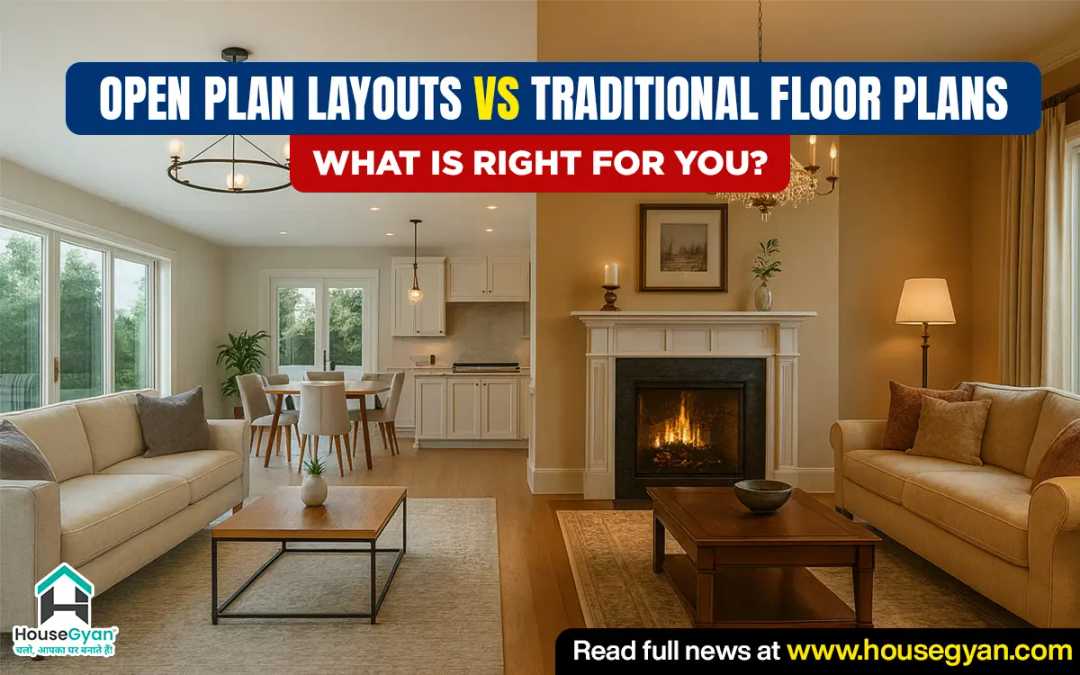
Designing your dream home is more than just picking colors or furniture—it’s about creating a space that supports your lifestyle. One of the biggest design choices homeowners face today is deciding between open plan layouts vs traditional floor plans.
Both have their charm: open layouts offer a modern, spacious feel, while traditional plans provide privacy and structure. But which one is truly right for you? Let’s dive deep into the advantages, disadvantages, and key considerations of both.
The Changing Face of Home Design
Why the Debate Between Open and Traditional Layouts Matters
The concept of home design has evolved dramatically over the years. Modern families prioritize flexibility, connection, and comfort. This shift has made the open concept layout—where walls are minimized and rooms blend seamlessly—an architectural trend across the globe.
However, traditional layouts are far from obsolete. They still appeal to homeowners who value quiet, privacy, and defined spaces for different activities.
Understanding the Evolution of Modern Home Layouts
Earlier homes featured compartmentalized rooms—each serving a specific purpose. But as lifestyles became more social and space more limited, the open plan design gained popularity, merging kitchens, dining areas, and living rooms into one cohesive zone.
What Is an Open Plan Layout?
Key Features of Open Floor Plans
An open plan layout eliminates internal walls between major living spaces, creating a fluid and airy environment. Common examples include:
Combined kitchen, dining, and living areas
Large windows for natural light
Flexible furniture placement
Advantages of Open Plan Homes
Enhanced social interaction: Perfect for families who enjoy togetherness or entertaining guests.
Natural light flow: Fewer walls mean more sunlight can spread throughout the home.
Spacious feel: Open layouts make smaller homes appear larger.
Flexible design: You can easily reconfigure your furniture or zones without major renovations.
Drawbacks of Open Plan Living
Noise issues: Sound travels easily without walls to absorb it.
Lack of privacy: Every activity is visible to others.
Energy inefficiency: Heating or cooling a large open space can cost more.
Clutter visibility: A messy kitchen can be seen from your living room.
What Is a Traditional Floor Plan?
Defining Characteristics of Traditional Home Layouts
Traditional layouts—often called closed-concept homes—feature separate rooms connected by hallways or doors. This structure defines spaces clearly, giving each area its own identity and function.
Benefits of Traditional Floor Plans
Privacy: Ideal for families with multiple generations or work-from-home setups.
Noise control: Walls help keep sound contained within specific rooms.
Energy efficiency: Easier to heat or cool individual rooms.
Design flexibility: Each room can have a unique décor style.
Limitations of Closed-Concept Designs
Limited natural light: Walls may block sunlight from spreading.
Smaller feel: The space can appear tighter or more confined.
Reduced social interaction: Separation can make it harder for family members to engage during daily activities.
Open Plan Layouts vs Traditional Floor Plans
Feature | Open Plan Layouts | Traditional Floor Plans |
Privacy | Limited | High |
Noise Control | Low | Strong |
Natural Light | Excellent | Moderate |
Space Flexibility | Very High | Limited |
Energy Efficiency | Lower | Higher |
Design Style | Modern, airy | Classic, cozy |
Best For | Social families, small spaces | Large families, privacy seekers |
Privacy and Noise Control
If you value quiet, a traditional layout is better suited. Open layouts often amplify noise from cooking, TV, or conversations.
Space Utilization and Natural Light
For homes with smaller square footage, open plans feel roomier and let light travel freely—ideal for urban apartments.
Family Dynamics and Lifestyle Needs
Families with young children may prefer open spaces for supervision, while those with teens or work-from-home professionals might appreciate the privacy of traditional rooms.
Resale Value and Market Trends
Open layouts currently dominate urban real estate trends, but traditional designs remain timeless, especially in luxury homes or colder climates.
Hybrid Layouts: The Best of Both Worlds
What Is a Semi-Open or Hybrid Floor Plan?
A hybrid layout combines open and closed concepts—partially open spaces separated by partitions, glass walls, or sliding panels. This allows for both connectivity and privacy when needed.
Practical Examples of Hybrid Home Designs
A kitchen separated from the living room by a breakfast bar
Sliding doors between dining and lounge areas
Glass partitions to divide spaces while maintaining visibility
Factors to Consider When Choosing Your Floor Plan
Size of Your Home and Plot
Smaller homes benefit more from open layouts, while larger houses can afford separate rooms without feeling cramped.
Family Structure and Daily Routine
Families with children or elderly members may prefer a traditional setup for noise control and safety.
Budget and Renovation Potential
Open layouts often require structural changes, making them costlier in older homes. Closed layouts are simpler to modify with minimal expense.
Long-Term Functionality and Flexibility
Think about future needs—will you need a home office or nursery later? A flexible layout ensures adaptability.
HouseGyan Offering | ||
Expert Tips for Making the Right Decision
Consulting Architects and Interior Designers
Professionals can evaluate your space, lifestyle, and structural possibilities to recommend a layout that truly fits your goals.
Using Virtual Design Tools and 3D Visualizations
Online floor planning tools like Roomstyler or Planner 5D allow you to experiment with layouts before committing to one.
For inspiration, check out Architectural Digest for modern home design trends.
FAQs About Open vs Traditional Floor Plans
1. Which layout is better for small homes?
Open layouts are ideal for small spaces since they make the home look and feel larger.
2. Are traditional floor plans outdated?
Not at all! They’re still preferred by families valuing privacy and distinct functional areas.
3. Can I convert a traditional floor plan into an open layout?
Yes, but consult a structural engineer first to ensure safety when removing walls.
4. What’s a good compromise between both layouts?
A semi-open or hybrid layout offers the perfect blend of openness and privacy.
5. Do open layouts affect energy consumption?
Yes, larger open spaces can be harder to heat or cool, leading to higher utility costs.
6. Which layout has better resale value?
Open plans are popular in modern markets, but traditional homes appeal to buyers seeking comfort and privacy—so both have their audience.
Conclusion: Striking the Perfect Balance for Your Lifestyle
Choosing between open plan layouts vs traditional floor plans comes down to how you live, work, and relax at home.
If you love bright, social spaces—go open.
If you value quiet corners and privacy—stick to traditional.
Or, take the middle path with a hybrid design that offers the best of both worlds.
Your dream home isn’t just about walls or openness—it’s about how those spaces make you feel.