
Table Of Content ☰
- Understanding Exterior House Colors and Their Impact
- Benefits of Light Exterior House Colors
- Drawbacks of Light Exterior Colors
- Advantages of Dark Exterior House Colors
- Disadvantages of Dark Exterior Colors
- Light vs Dark Exterior House Color: Which Is Better for Energy Efficiency?
- Maintenance and Longevity Comparison
- Impact on Curb Appeal and Neighborhood Harmony
- Mixing Light and Dark for the Best of Both Worlds
- Expert Tips for Choosing the Right Exterior Color
- Frequently Asked Questions (FAQs)
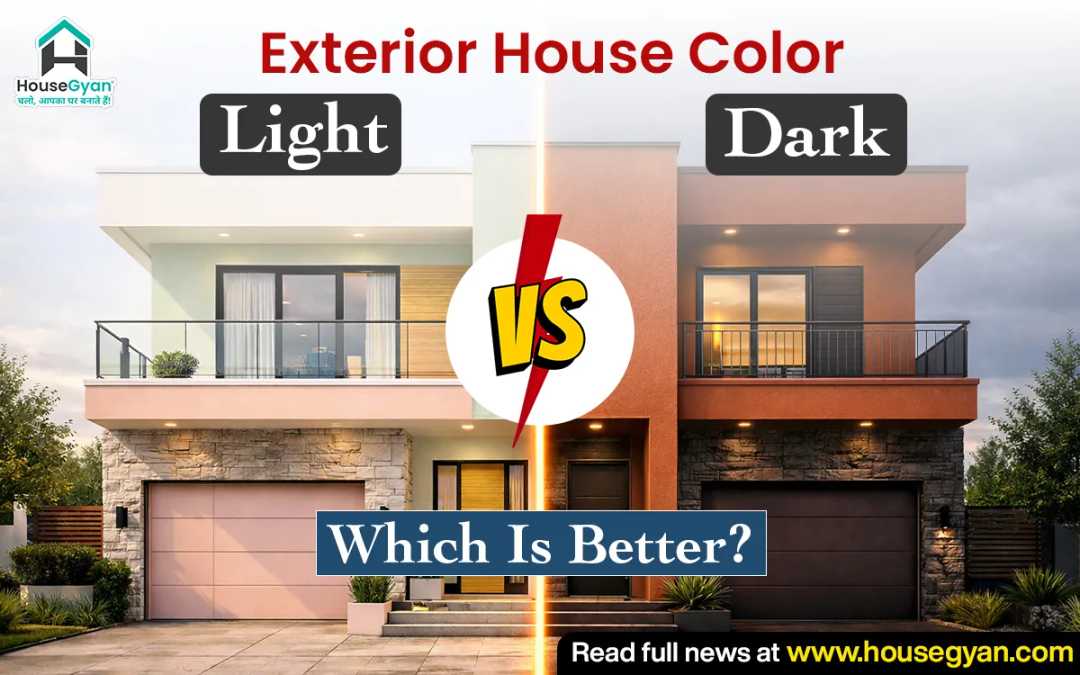
Choosing the right exterior paint is one of the most important design decisions a homeowner can make. The debate around Light vs Dark Exterior House Color: Which Is Better? is common—and for good reason. Exterior color affects your home’s appearance, comfort, maintenance needs, and even long-term value.
In this in-depth guide, we’ll break down the advantages and drawbacks of both light and dark exterior house colors, backed by expert insights and real-world considerations. By the end, you’ll have a clear answer tailored to your climate, lifestyle, and design goals.
Understanding Exterior House Colors and Their Impact
Exterior colors do more than decorate your home—they influence how your house feels, performs, and is perceived. Light and dark colors interact differently with sunlight, weather, and surrounding landscapes.
From an architectural standpoint, color can emphasize lines, highlight textures, or soften sharp edges. Psychologically, light colors often feel calm and open, while dark tones feel bold and grounded. Practically, color choice affects heat absorption, dirt visibility, and repainting frequency.
Understanding these basics helps frame the Light vs Dark Exterior House Color: Which Is Better? debate more clearly.
Read More: Trendy Exterior House Color Ideas
Benefits of Light Exterior House Colors
Bright, Clean, and Welcoming Appearance
Light exterior colors such as white, cream, beige, and light gray make homes look fresh and inviting. They reflect natural light, giving the illusion of a larger, more open space. This is especially beneficial for smaller homes or properties with limited natural light.
Better Energy Efficiency
One major advantage of light colors is their ability to reflect sunlight. This reflection helps keep your home cooler in warm climates, potentially lowering air-conditioning costs. According to energy-efficiency studies, reflective surfaces can reduce heat absorption significantly.
Timeless and Versatile Style
Light exteriors tend to age gracefully. They pair well with many roof colors, trim styles, and landscaping designs. Because of their neutrality, they’re less likely to feel outdated when design trends change.
Stronger Resale Appeal
Homes with light-colored exteriors often appeal to a broader range of buyers. Neutral shades are considered “safe choices,” which can be a plus when selling your home.
Drawbacks of Light Exterior Colors
Shows Dirt and Stains Easily
Light colors can reveal dust, mud splashes, pollution stains, and mildew more quickly—especially in rainy or dusty areas.
May Lack Visual Drama
While elegant, light colors may feel too subtle for homeowners who want a bold, modern statement.
Advantages of Dark Exterior House Colors
Bold, Modern, and Sophisticated Look
Dark exterior colors like charcoal, navy, forest green, and black create strong visual impact. They’re popular in modern and contemporary designs, offering a high-end, architectural feel.
Hides Imperfections Better
Dark shades are excellent at concealing minor flaws, stains, and uneven surfaces. Older homes with textured siding often benefit from darker tones.
Creates Strong Contrast
Dark exteriors allow trim, doors, and windows to stand out beautifully. White or light trim against a dark facade looks sharp and intentional.
Disadvantages of Dark Exterior Colors
Absorbs More Heat
Dark colors absorb sunlight rather than reflect it. In hot climates, this can increase indoor temperatures and cooling costs.
Fades Faster Over Time
Prolonged sun exposure may cause dark paint to fade more quickly, leading to more frequent repainting.
Can Feel Smaller or Heavier
Dark tones may make a home look more compact or imposing, especially if the structure is large or closely spaced among neighbors.
Read More: Modern House Elevation Design Ideas
Light vs Dark Exterior House Color: Which Is Better for Energy Efficiency?
Energy efficiency is a key factor in the Light vs Dark Exterior House Color: Which Is Better? discussion.
-
Light colors reflect heat, making them ideal for warm and sunny regions.
-
Dark colors absorb heat, which can be beneficial in colder climates by retaining warmth during winter months.
If you live in a hot climate, light colors usually offer long-term savings. In cooler areas, dark exteriors may improve thermal comfort.
Maintenance and Longevity Comparison
|
Factor |
Light Colors |
Dark Colors |
|
Dirt Visibility |
High |
Low |
|
Heat Damage |
Low |
Higher |
|
Fading Risk |
Low |
Moderate to High |
|
Repainting Frequency |
Moderate |
Often Higher |
Your environment plays a major role. Coastal areas, for example, may benefit from lighter colors that resist fading and salt damage.
Impact on Curb Appeal and Neighborhood Harmony
Light-colored homes blend seamlessly into traditional neighborhoods, while dark homes often stand out as statement pieces.
If your neighborhood has homeowner association (HOA) rules, light or neutral colors are usually easier to approve. Dark colors work best when thoughtfully balanced with landscaping and trim.
Mixing Light and Dark for the Best of Both Worlds
You don’t always have to choose one. Many homeowners combine light and dark shades for a balanced look:
-
Light main walls with dark trim
-
Dark siding with light accents
-
Dark lower levels and lighter upper stories
This approach adds depth and personality without overwhelming the design.
|
HouseGyan Offering | ||
Expert Tips for Choosing the Right Exterior Color
-
Test paint samples on multiple walls
-
Observe colors at different times of day
-
Match color to roof, stonework, and surroundings
-
Consider long-term maintenance, not just first impressions
-
Consult a professional color designer if unsure
For additional expert guidance, check resources from trusted paint manufacturers like Sherwin-Williams:
Frequently Asked Questions (FAQs)
1. Is a light or dark exterior better for resale value?
Light exteriors generally appeal to more buyers, making them slightly better for resale.
2. Do dark exterior colors make a house hotter?
Yes, dark colors absorb more heat, which can raise indoor temperatures in warm climates.
3. Are light exterior colors harder to maintain?
They show dirt more easily but fade less over time compared to dark colors.
4. Can I mix light and dark exterior colors?
Absolutely. Mixing both can create balance, contrast, and visual interest.
5. Which exterior color lasts longer?
Light colors typically last longer because they resist fading from UV exposure.
6. How do I choose based on climate?
Choose light colors for hot climates and dark colors for colder regions.
Conclusion: Light vs Dark Exterior House Color—Which Is Better?
So, Light vs Dark Exterior House Color: Which Is Better? The answer depends on your climate, home style, maintenance tolerance, and personal taste.
Light colors offer energy efficiency, timeless appeal, and resale advantages. Dark colors deliver drama, elegance, and modern sophistication. When chosen thoughtfully—or combined creatively—both can enhance your home beautifully.