
Table Of Content ☰
Choosing the right house elevation design is an important step in building your dream home. The house elevation is what people see first from the outside, and it reflects your personal style. Whether you're going for a modern, traditional, or contemporary look, selecting the right elevation can enhance the overall appeal of your home. In this blog, we’ll walk you through key points to consider while choosing the best house elevation design for your home.
1. Understand the Types of House Elevation
Before selecting an elevation design, it’s important to know the main types of elevations:
-
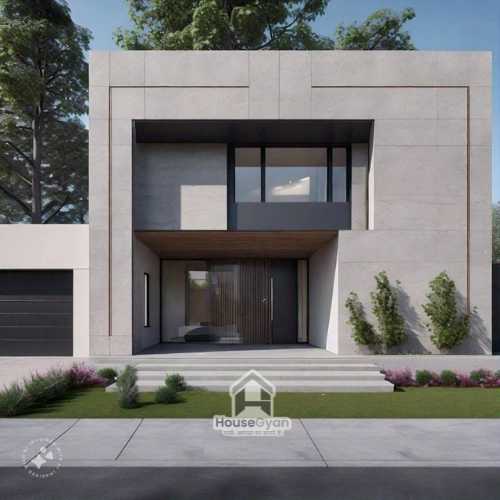
Front Elevation: This is the view of your house from the front. It’s the first impression people get when they look at your home, so you want it to be inviting and visually appealing.
-
Side Elevation: This shows the side view of the house and is important for homes that are on corner plots or have a visible side.
-
Rear Elevation: This is the back view of your home. If you have a garden, deck, or backyard, the rear elevation design should complement these outdoor features.
2. Consider Your Budget
House elevation design can vary greatly depending on your budget. While modern designs with premium materials like glass, stone, or wood may look fantastic, they often come with higher costs. If you’re on a budget, consider designs that use cost-effective materials but still offer visual appeal, such as textured paints, simple brickwork, or a minimalistic approach.
3. Match the Elevation Style with Your Interior
Your house elevation should match the style of your home’s interior. For instance:
-
If you’re opting for a modern interior design, a sleek, minimalist front elevation with clean lines and large windows would be a good choice.
-
For a traditional home, consider classic elements like arches, columns, and detailed carvings.
Consistency between your exterior and interior helps create a cohesive look and feel throughout your home.
4. Choose the Right Materials
The materials you choose for your house elevation can make a big difference in how it looks and lasts. Here are a few common materials used in house elevations:
-
Brick: Durable and classic, brick is a timeless option for house elevations. It gives a warm and traditional appearance.
-
Wood: Wood can add a natural, rustic touch to the exterior, but it may require more maintenance.
-
Glass: For a modern, contemporary look, glass is often used for large windows and open spaces, giving the house a sleek and airy feel.
-
Stone: Stone adds a touch of luxury and elegance to a house, making it look more stately and robust.
|
HouseGyan Offering | ||
5. Think About the Climate
The climate of your region plays a key role in choosing a house elevation design. For example:
-
If you live in a hot area, opt for designs that incorporate natural shading, overhangs, and small windows to keep the house cool.
-
In colder climates, you may want large windows to allow sunlight in and help heat the home naturally.
6. Pay Attention to the Roof Design
The roof design is a vital part of the house elevation. Common roof styles include:
-
Flat Roof: Ideal for modern homes, a flat roof gives a sleek and minimalistic look.
-
Sloped Roof: Popular in areas with heavy rainfall or snow, sloped roofs prevent water accumulation and give a more traditional appearance.
-
Gabled Roof: A triangular roof that adds depth and character to the house, commonly used in various styles.
7. Incorporate Landscaping
Your house elevation isn’t just about the building itself; the landscaping around your house plays an important role too. Features like:
-
Garden areas, trees, and shrubs can complement the overall look.
-
Walkways and driveways add functionality and style to the house front.
A well-planned landscape not only enhances the beauty of the home but also adds value to the property.
8. Look for Inspiration and Trends
To get ideas, browse through house elevation designs online or in architecture magazines. You can check out the latest trends, such as:
-
Minimalist elevations that focus on simplicity and open spaces.
-
Eco-friendly designs that incorporate sustainable materials like bamboo or recycled wood.
-
Textured exteriors, where different materials are combined, such as brick and wood or stone and glass.
9. Customization Options
Many builders offer standard elevation designs, but you can always customize according to your needs and preferences. Whether it’s adding extra windows, changing materials, or modifying the roof design, customization allows you to create a unique look that stands out.
Conclusion
Choosing the right house elevation design is essential to give your home a beautiful, unique look while also ensuring it suits your needs. Whether you prefer a modern, traditional, or mixed style, consider the materials, climate, budget, and overall look of your home when making your choice.
At HouseGyan, we specialize in providing expert advice and house plans that include the perfect elevation design for your dream home. Contact us today to explore a range of options and get started on your home-building journey!
FAQs
1. What is a house elevation design?
A house elevation design is the exterior view of your home, showing how it looks from the outside, including the front, sides, and rear.
2. Which house elevation is most important?
The front elevation is the most important because it creates the first impression of your home.
3. How do I choose the right elevation design?
Choose a design based on your budget, interior style, climate, and personal preference for a balanced and attractive look.
4. Which materials are best for house elevation?
Common materials include brick, wood, glass, and stone, depending on your budget, style, and maintenance needs.
5. Does climate affect house elevation design?
Yes, climate plays a big role. For example, hot areas need shading, while cold areas benefit from larger windows for sunlight.
6. Can I customize my house elevation design?
Yes, you can customize elements like materials, windows, and roof style to match your needs and make your home unique.
7. How does landscaping improve house elevation?
Landscaping with plants, pathways, and gardens enhances the overall look and adds value to your home.